Iran Caused $3 Billion of Damage With Missile Strikes on Israel
Takeaways
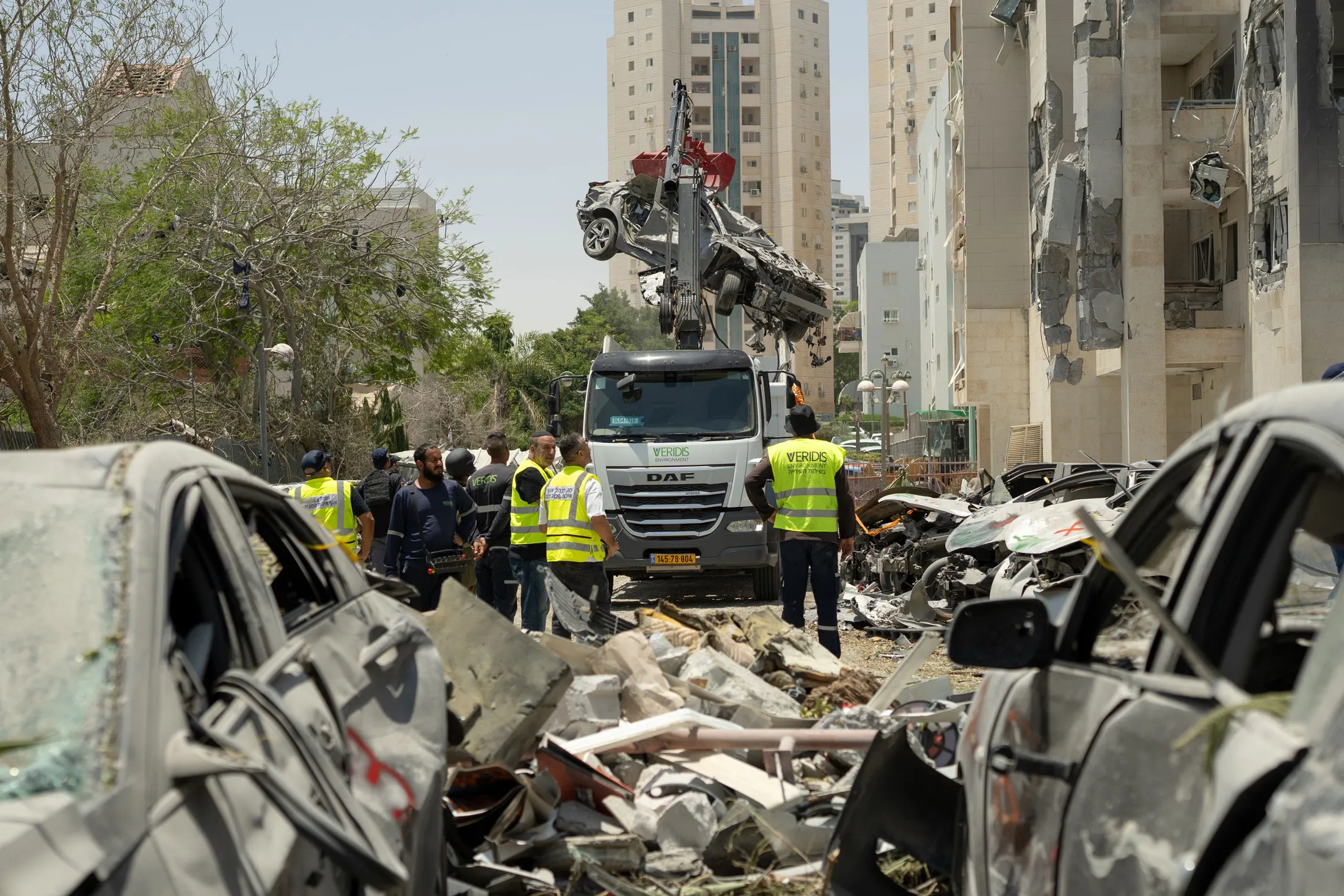
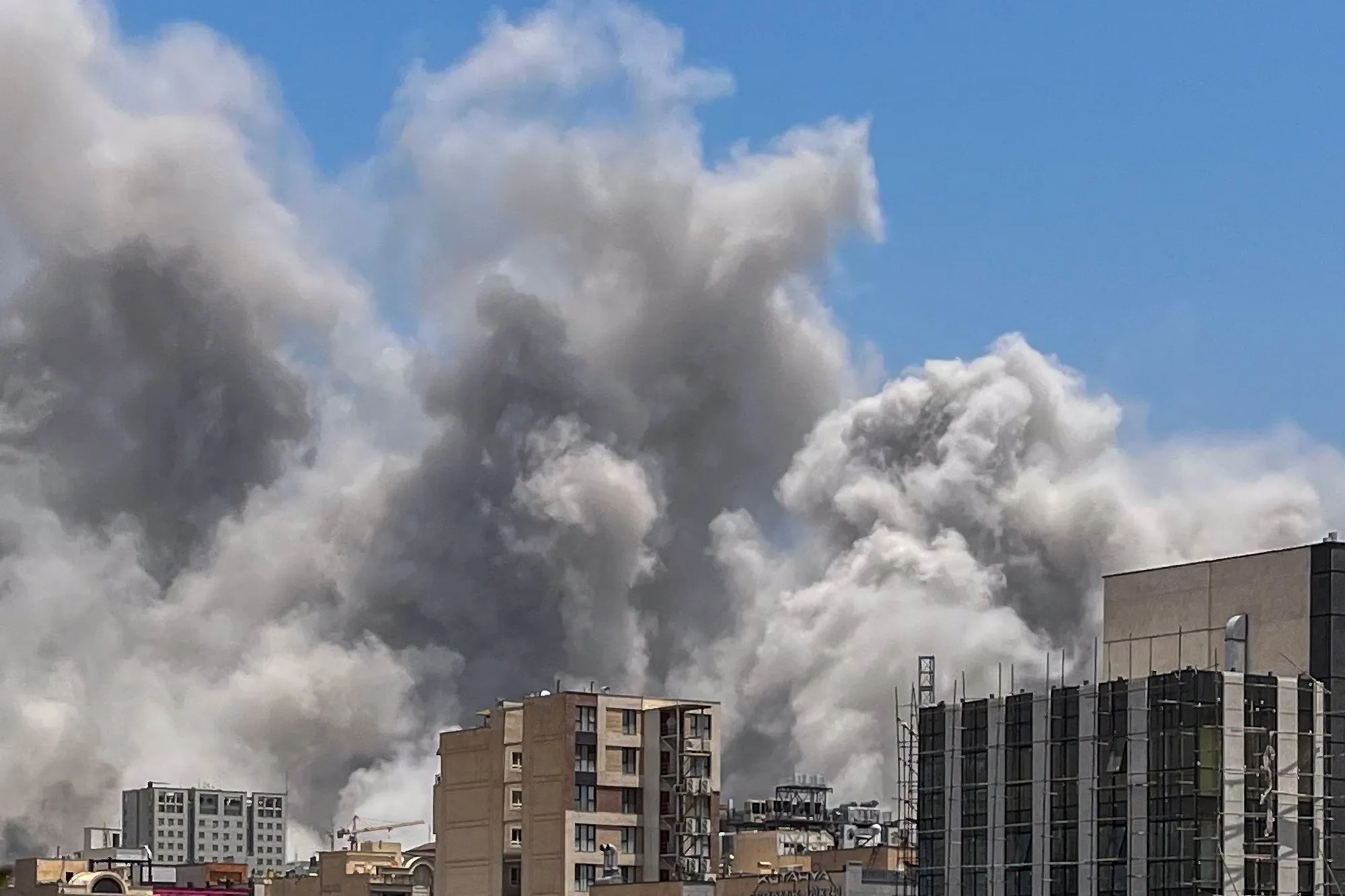
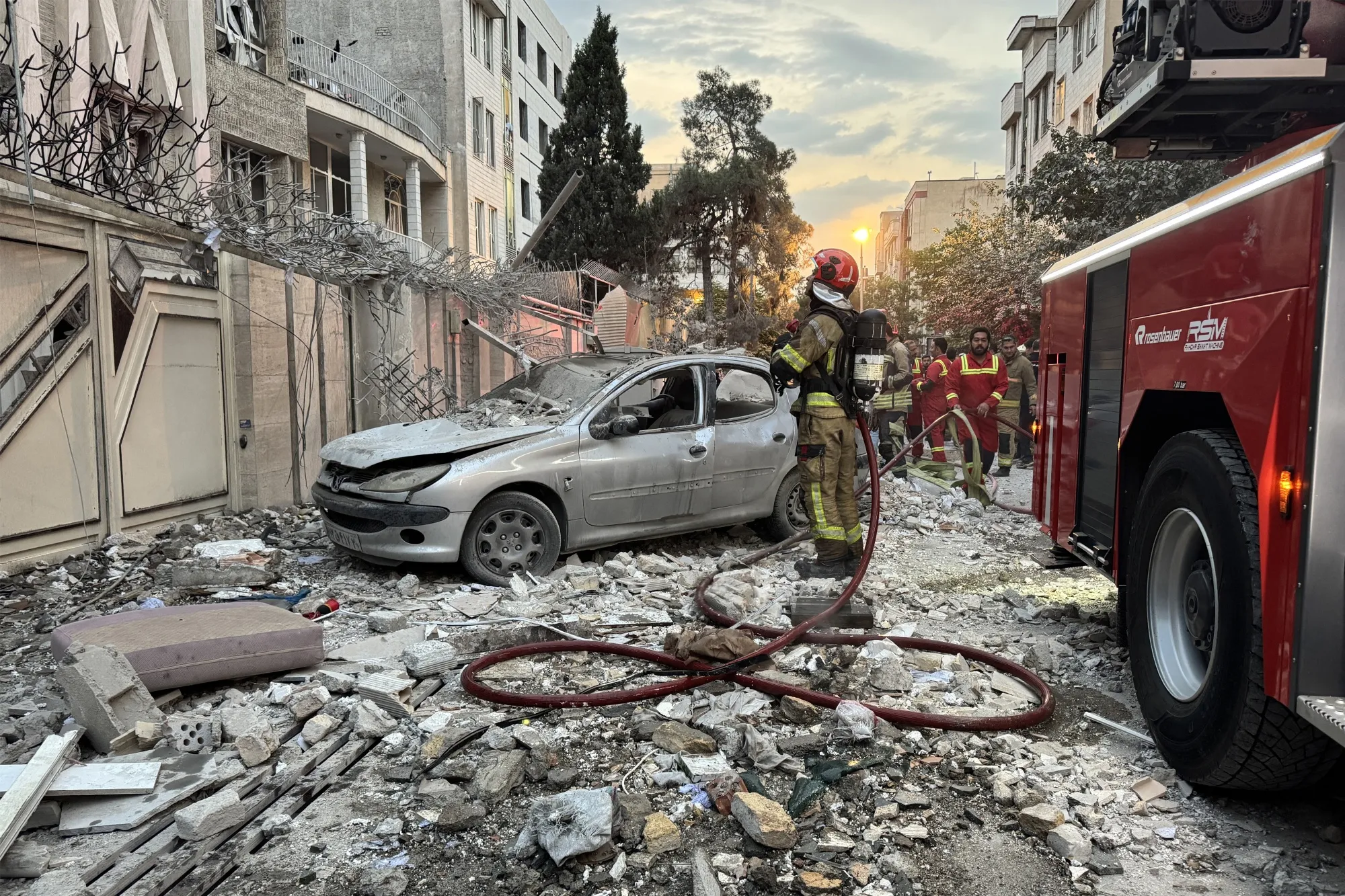
Israel has estimated the cost of damages incurred during its 12-day war with Iran at 10 billion shekels ($3 billion), with funds needed both to repair missile-hit buildings and pay compensation to local businesses.
The calculations shared by the Israeli finance ministry and tax body this week indicate the extent to which Iran broke through Israel’s defenses during nearly two weeks of rocket fire.
“This is the greatest challenge we’ve faced — there has never been this amount of damage in Israel’s history,” Shay Aharonovich, the director general of Israel’s Tax Authority who’s in charge of paying out compensation, told reporters.
The sum doesn’t include the cost to Israel of replacing weapons and defense systems used in the campaign, which is likely to push the total figure for the war much higher when assessments are complete.
Finance Minister Bezalel Smotrich told a press conference the cost of war could be as high as $12 billion, while Bank of Israel Governor Amir Yaron put the figure at about half that when speaking to Bloomberg TV on Wednesday. Whatever the final figure, that presents a challenge to an economy already strained by 20 months of wider conflict.
Read More: Israel’s Vaunted Air Shield Tested as Iran Rains Down Missiles
Israel’s central bank projects economic growth of 3.5% for the year, though this may be impacted by the recent war.
Israel launched an initial barrage of drones and missiles at Iran on June 13, and the two sides exchanged regular fire until US President Donald Trump declared a ceasefire in the early hours of Tuesday. Israeli emergency services said 28 people were killed in missile attacks and more than 1,300 injured, while Iran’s government reported 627 people killed.
While Israel has some of the world’s most-advanced air defenses, it typically expects 10% to 15% of missiles to get through.
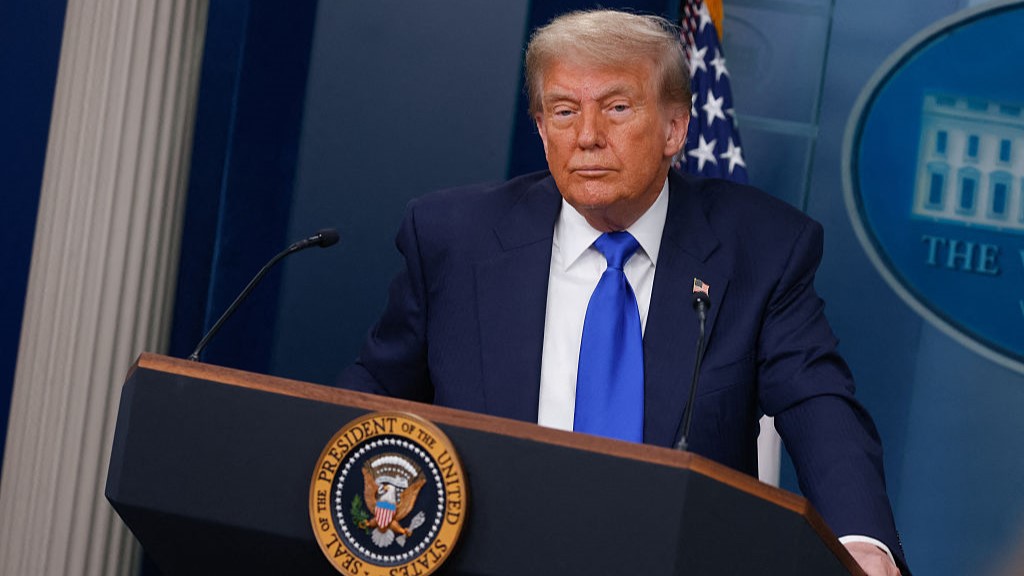
“Those ballistic missiles, boy, they took out a lot of buildings,” Trump said on Wednesday of Iran’s attacks. Israel and Iran are “tired, exhausted,” he said.
During the 12-day campaign, the Israeli economy was almost completely shut down, with schools and businesses closed barring those designated essential. The government will pay compensation to businesses, estimated by the Finance Ministry at as much as 5 billion shekels.
Read More: Iran War to Help Israel’s Long-Term Outlook, Bank Chief Says
That amount of compensation potentially owed by the government would be double what’s been paid for damages to property since October 2023, including sums to entire communities destroyed in that month’s attacks by Hamas militants. Costs shouldered by the state since then include those related to missiles fired by Hezbollah from Lebanon into northern villages.
Israel’s war with Iran was so much more expensive than conflicts with Hamas and Hezbollah for two main reasons.

By submitting my information, I agree to the Privacy Policy and Terms of Service.
The first is that communities that came under attack from Tehran-backed militias were small and in rural areas. In contrast, Iran itself directed ballistic missiles at densely-populated cities in central Israel — an area spanning some 1,600 square kilometers that includes the wider Tel Aviv metropolitan area. That’s where at least 50% of Israel’s population live in often crowded neighborhoods or tall buildings.
The second reason is that Iran’s missiles are far more powerful than that of its militant allies, with some carrying at least 500 kilograms of explosives and fragmented bombs that scatter on impact.
Read More: Why Israel Attacked Iran, and What to Watch for Next: QuickTake
Prime Minister Benjamin Netanyahu said during the campaign that restricting Iran’s ballistic-missile capacity was a key war goal, alongside destroying Iran’s nuclear program. Israeli estimates are that on the eve of the conflict Iran had 2,000-2,500 such missiles, and still possesses about half of them.
Apart from neighborhoods, the Weizmann Institute of Science — one of Israel’s main research institutes — and the country’s biggest oil refinery in Haifa were badly damaged. A public hospital in Israel’s south took a direct hit.
— With assistance from Chris Miller
Most Read
More From Bloomberg
Israel and Iran Both Claim Wins as Trump-Brokered Truce Holds

Israel Long-Term Outlook Helped by Iran War, Central Bank Governor Says
Israel Emerges Stronger From Iran War, But Risks Blowback
Iran’s Khamenei Says US Intervention in War Achieved Nothing
Iran Says It Doubts Truce Will Hold, Warns Against New Strikes