
Home
News
Latest
Telegram Channel
Bahasa Malaysia
中文
Home
English
China’s YLC-8B Radar Transfer to Iran Could Rewrite Middle East Airpower and End Stealth Dominance
China’s YLC-8B Radar Transfer to Iran Could Rewrite Middle East Airpower and End Stealth Dominance
The reported deployment of China’s long-range YLC-8B anti-stealth radar in Iran signals a strategic shift in Middle Eastern air defense architecture, directly challenging U.S. and Israeli reliance on fifth-generation stealth aircraft and reshaping regional deterrence dynamics.
EnglishGlobalInternational
 By admin On Feb 5, 2026
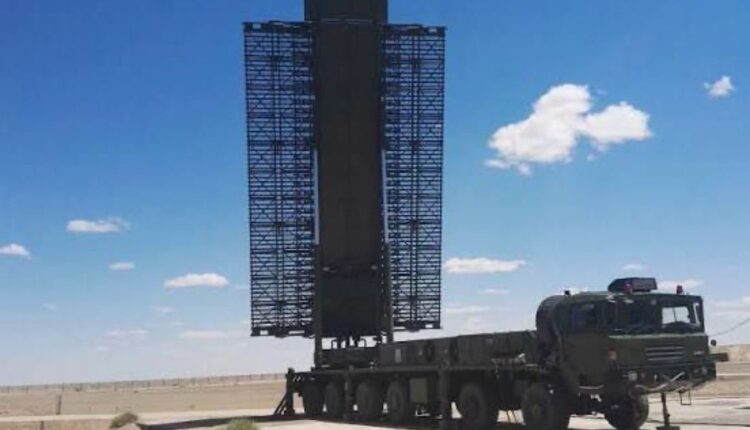 YLC-8B radar
Share
(DEFENCE SECURITY ASIA) — The reported transfer of China’s YLC-8B strategic three-dimensional radar to Iran represents a decisive escalation in Beijing’s military-technical support to Tehran, with one defence analyst warning that “the YLC-8B is one of the few radars of its type in the world which can continuously detect and track a Western fifth-generation aircraft at long range,” fundamentally reshaping regional airpower assumptions.
Emerging intelligence claims that China has delivered multiple YLC-8B radar systems—each capable of detecting targets out to 700 kilometres—signal a strategic recalibration in Middle Eastern air defense architecture that directly challenges longstanding assumptions underpinning U.S. and Israeli stealth-centric strike doctrines against Iranian territory.
This alleged transfer gains heightened significance following the recent 12-day conflict between Israel and Iran, where Tehran’s air defense vulnerabilities were exposed, prompting an urgent effort by Iranian military planners to rebuild and harden detection layers capable of countering advanced low-observable platforms and long-range stand-off strike profiles.
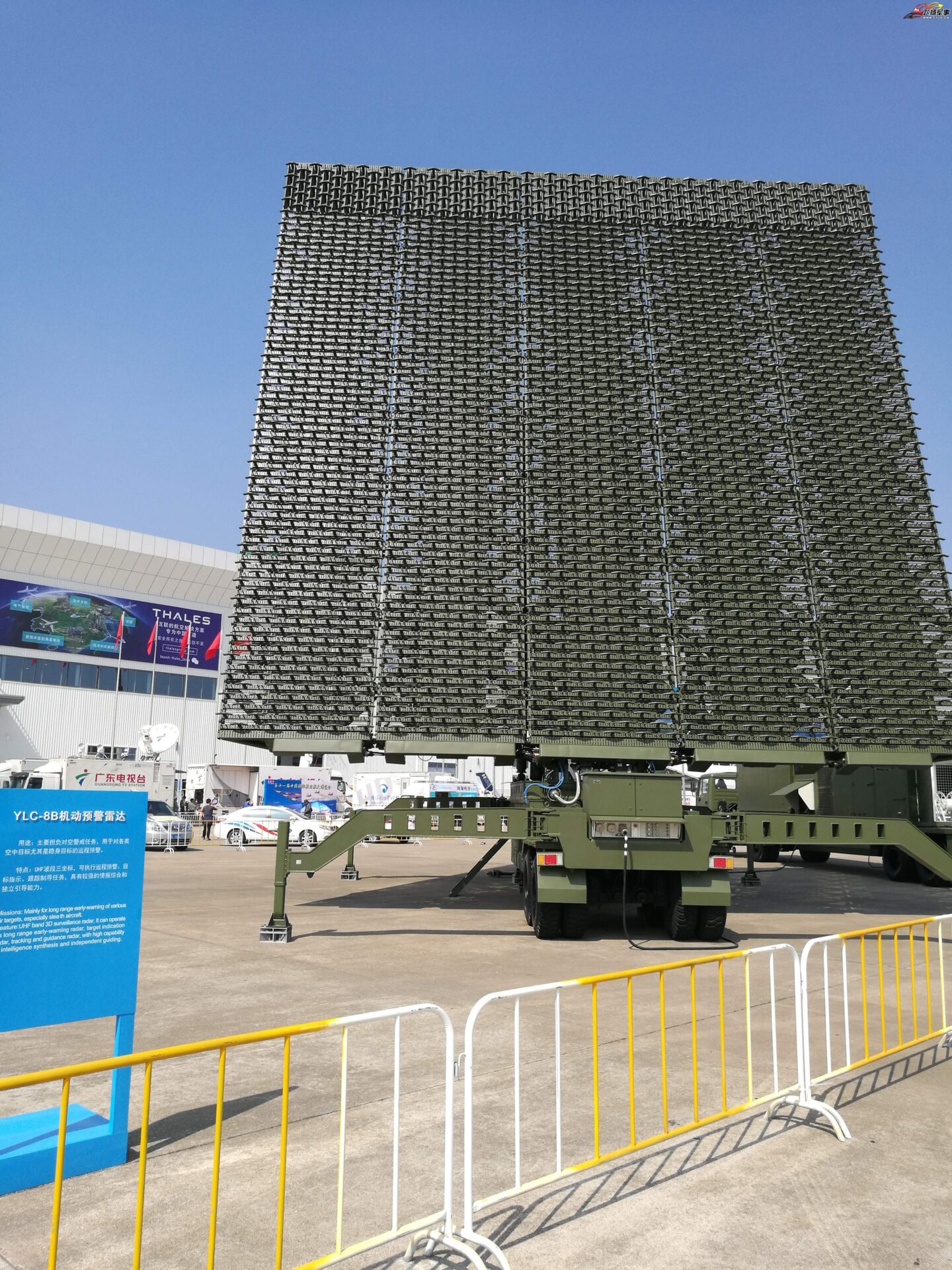 YLC-8B radar
The YLC-8B, developed by China’s Nanjing Research Institute of Electronics Technology, is specifically engineered to counter stealth aircraft and ballistic missile threats through UHF-band low-frequency surveillance, undermining the effectiveness of radar-absorbent shaping used by platforms such as the F-35 Lightning II and B-2 Spirit.
As one widely circulated report stated, “It is reported that China has transferred several strategic three-dimensional YLC-8B radars with a detection range of up to 700 kilometers to Iran,” a claim echoed by multiple defence intelligence channels amid intensified scrutiny of Beijing’s expanding role in Middle Eastern security dynamics.
Another assertion underscored the gravity of the development, stating, “China has supplied Iran with its YLC-8B strategic radar systems for the first time. These radars were designed to detect U.S. B-2 Spirit stealth bombers,” highlighting the system’s direct relevance to U.S. strategic strike planning.
The integration of such radars into Iran’s layered air defense network—already comprising Russian-supplied S-300PMU-2 systems and domestically produced Bavar-373 interceptors—could significantly extend detection timelines, enabling earlier cueing, more efficient interceptor allocation, and reduced vulnerability to surprise deep-strike operations.
Beyond immediate tactical implications, the reported radar transfer reflects a broader convergence of Chinese and Iranian strategic interests, where Beijing seeks to protect energy supply routes and challenge U.S. air dominance while Tehran aims to deny adversaries uncontested air superiority over its nuclear, military, and industrial infrastructure.
Collectively, these developments suggest a structural shift in Middle Eastern air defense dynamics, where Chinese sensor technology may increasingly underpin Iranian deterrence posture, forcing Washington and its allies to reassess operational assumptions that have long relied on stealth dominance and electronic warfare supremacy.
The reported YLC-8B transfer also signals Beijing’s willingness to use high-end sensor exports as a strategic lever rather than a commercial transaction, effectively allowing China to shape regional airpower equilibria indirectly by degrading the operational advantages of Western stealth platforms without deploying its own forces or overtly violating escalation thresholds.
In this context, the deployment of long-range anti-stealth radars in Iran functions not merely as a defensive enhancement but as a strategic message to the United States and its allies that future air campaigns in the Middle East will unfold in a far more transparent, contested, and technologically unforgiving battlespace than previously assumed.
YLC-8B Radar Technology and the Erosion of Stealth Dominance
The YLC-8B represents the apex of China’s indigenous long-range surveillance radar development, integrating fully coherent digital pulse compression, advanced moving target detection, and multi-target tracking capabilities designed to operate effectively against high-speed, low-observable, and ballistic threats in contested electromagnetic environments.
Operating primarily in the UHF frequency band, the radar exploits physical properties that limit the effectiveness of stealth shaping and radar-absorbent materials, allowing it to detect aircraft that are optimized to evade higher-frequency X- and Ku-band fire-control radars commonly used by Western air defense systems.
In its standard surveillance configuration, the YLC-8B is assessed to detect conventional aircraft at ranges exceeding 500 kilometres, while ballistic missile targets—particularly during boost or midcourse phases—can reportedly be identified at distances approaching 700 kilometres, dramatically expanding Iran’s early-warning envelope.
For tactical air threats such as multirole fighter aircraft, the radar’s effective detection range of approximately 350 kilometres enables Iranian commanders to initiate engagement sequences well before hostile platforms enter weapon release envelopes, complicating strike timing and reducing operational surprise.
Once targets are detected, the YLC-8B can feed high-fidelity tracking data into Iran’s integrated air defense network, enabling systems such as the Bavar-373 and S-300 to optimize engagement geometry, missile allocation, and intercept probability against complex multi-axis attacks.
The radar’s digital architecture supports simultaneous tracking of numerous aerial objects, allowing Iranian forces to manage saturation scenarios involving decoys, cruise missiles, and electronic attack platforms without overwhelming command-and-control nodes.
Crucially, the YLC-8B’s sensor fusion potential allows it to serve as a backbone for networked air defense, linking long-range detection with shorter-range engagement radars, electro-optical sensors, and interceptor batteries to form a resilient, layered defensive shield.
This capability directly undermines traditional Western reliance on stealth penetration and stand-off strikes, as earlier detection compresses decision cycles and forces attacking forces to commit additional assets to suppression, escort, and electronic warfare missions.
In strategic terms, the deployment of such radars in Iran introduces uncertainty into U.S. and Israeli planning, as stealth aircraft can no longer assume uncontested access to Iranian airspace during the opening phases of a conflict.
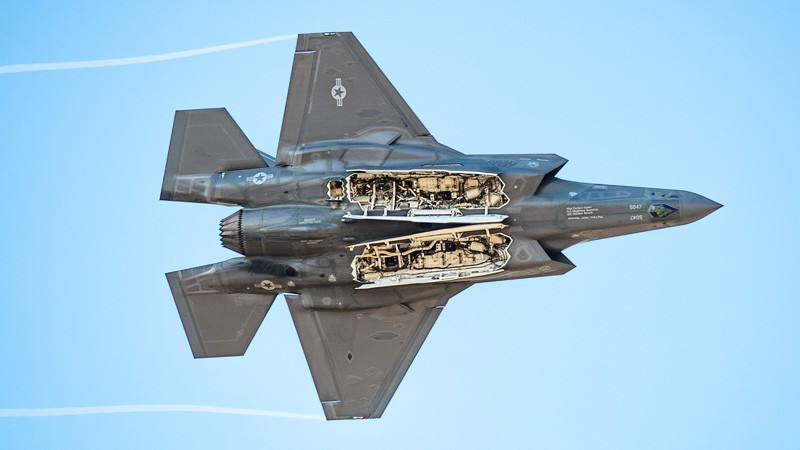 F-35
F-35Mobility, Survivability, and Counter-SEAD Implications
One of the YLC-8B’s most strategically consequential features is its high degree of mobility, with the system designed for rapid deployment and displacement by a small crew in under 30 minutes, significantly enhancing survivability against pre-planned or reactive suppression of enemy air defenses operations.
The radar’s foldable antenna array and modular transport configuration allow it to operate in austere environments, enabling Iranian forces to relocate sensors frequently and deny adversaries the persistent targeting data required for effective kinetic or electronic suppression.
This “shoot-and-scoot” capability is particularly relevant in a regional context where U.S. and Israeli doctrine emphasizes early neutralization of long-range sensors to preserve freedom of maneuver for follow-on strike packages.
By reducing radar dwell time at fixed locations, the YLC-8B complicates the kill chain, forcing attackers to expend additional intelligence, surveillance, and reconnaissance resources to reacquire mobile targets under contested conditions.
Low-frequency operation further enhances survivability, as such radars are inherently less vulnerable to conventional anti-radiation missiles optimized for higher-frequency emitters, increasing the cost and complexity of suppression efforts.
From an operational standpoint, the radar’s resilience enables Iran to maintain situational awareness even after initial strikes, preserving command-and-control coherence and enabling adaptive responses to evolving threat vectors.
This capability is particularly significant given recent conflict lessons, where Iranian air defenses were reportedly degraded by precision strikes and electronic warfare, exposing the need for more survivable detection assets.
By fielding mobile, anti-stealth radars, Iran effectively raises the threshold for successful air campaigns, forcing adversaries to reconsider assumptions about rapid air superiority and uncontested battlespace access.
In aggregate, the YLC-8B’s mobility transforms it from a passive sensor into an active enabler of strategic denial, reinforcing Iran’s broader anti-access and area-denial posture across critical regions.
China-Iran Defense Cooperation and Strategic Intent
The reported YLC-8B transfer must be understood within the broader framework of China-Iran defense cooperation, which has accelerated under the 25-year comprehensive strategic partnership agreement signed in 2021, encompassing military technology exchange, joint exercises, and energy-for-security arrangements.
China’s willingness to provide high-end radar technology reflects a calculated effort to expand influence in the Middle East while avoiding direct confrontation, leveraging dual-use and defensive systems that alter strategic balances without overt escalation.
Analytical assessments have warned that “Iran may also seek to acquire high-end Chinese radars with anti-stealth sensor capabilities, such as the YLC-8B and the JY-27A,” highlighting Beijing’s potential role as Tehran’s primary supplier amid Russia’s resource constraints.
This cooperation serves China’s economic interests by protecting Iranian oil exports, of which Beijing imports nearly 90 percent despite U.S. sanctions, reinforcing energy security critical to China’s industrial and military base.
From Tehran’s perspective, access to advanced Chinese sensors compensates for gaps exposed during recent conflicts and offsets limitations in domestically produced systems, accelerating the restoration of credible deterrence.
Reports have suggested that Iran’s procurement ambitions extend beyond radars to include J-10C fighters, HQ-9 long-range surface-to-air missile systems, and anti-ship missiles, indicating a comprehensive modernization push.
Modern strategic analysis notes that “with anti-stealth systems, Iran is seeking to acquire advanced Chinese radars, such as the YLC-8B & JY-27A,” framing these acquisitions as central to countering Israeli F-35 operations.
China, meanwhile, gains valuable real-world data on the performance of its systems against Western platforms, enhancing its own military modernization and export competitiveness.
This mutually reinforcing relationship underscores a shifting geopolitical alignment, where technology transfer becomes a tool for shaping regional power balances without direct military intervention.
Regional and Global Strategic Consequences
The integration of YLC-8B radars into Iran’s air defense network has far-reaching implications for U.S., Israeli, and allied operational planning, as early detection of stealth aircraft compresses engagement timelines and increases mission risk.
For the United States, the radar’s reported ability to detect B-2 Spirit bombers at extended ranges complicates contingency planning for deep-strike missions against hardened Iranian facilities, potentially requiring larger force packages and increased reliance on non-stealth stand-off weapons.
Israeli airpower, heavily dependent on F-35I Adir stealth fighters for precision strikes, faces a more contested environment where early warning erodes the element of surprise central to its operational doctrine.
Regional actors such as Saudi Arabia and the United Arab Emirates may reassess their own air defense investments, accelerating procurement of complementary sensors and interceptors to maintain deterrence parity.
The risk of technology proliferation also looms, as advanced radar data or systems could be shared with Iranian proxies, enhancing their ability to track coalition aircraft and naval assets across multiple theaters.
In maritime contexts, improved situational awareness could support the employment of anti-ship missiles, threatening commercial and military traffic in strategically vital waterways.
Globally, the transfer underscores China’s emergence as a supplier of high-end military systems capable of altering strategic calculations, challenging Western dominance in advanced defense technologies.
This development may prompt increased investment in counter-stealth, electronic warfare, and cyber capabilities among U.S. allies, reinforcing alliance structures but also accelerating arms competition.
Ultimately, the YLC-8B’s deployment represents a structural shift toward contested airspace norms, where no actor can assume uncontested access, reshaping deterrence dynamics across regions.
Redefining Airpower Equilibrium
The reported transfer of YLC-8B strategic radars to Iran marks a pivotal inflection point in Middle Eastern air defense evolution, introducing Chinese sensor technology capable of eroding long-held assumptions about stealth dominance and operational freedom.
By enhancing Iran’s early-warning and detection capabilities, the radar strengthens Tehran’s deterrence posture and complicates adversary planning, raising the costs and risks of any future military action.
China’s role in this process reflects a sophisticated strategy of influence, leveraging defensive systems to shape regional balances while safeguarding economic and geopolitical interests.
For the United States and Israel, the development necessitates renewed focus on counter-detection tactics, multi-domain integration, and adaptive strike concepts capable of operating in increasingly transparent battlespaces.
The broader international community must recognize that advanced sensor proliferation, even under the guise of defensive cooperation, can have destabilizing effects if not carefully managed.
As airpower competition intensifies, the YLC-8B stands as a symbol of a shifting technological frontier where detection, not just stealth, defines strategic advantage.
Whether this transfer ultimately deters conflict or fuels further escalation will depend on how regional actors adapt to a transformed air defense landscape.
What is clear, however, is that the era of uncontested air superiority over Iran is increasingly challenged by the convergence of Chinese technology and Iranian strategic resolve. — DEFENCE SECURITY ASIA
anti-stealth radarB-2 Spirit radar detectionChina Iran military cooperationChinese military technology exportsDefence Security AsiaF-35 detectionintegrated air defense systemsIran air defense


