War without end? How Israel became trapped in its own security doctrine
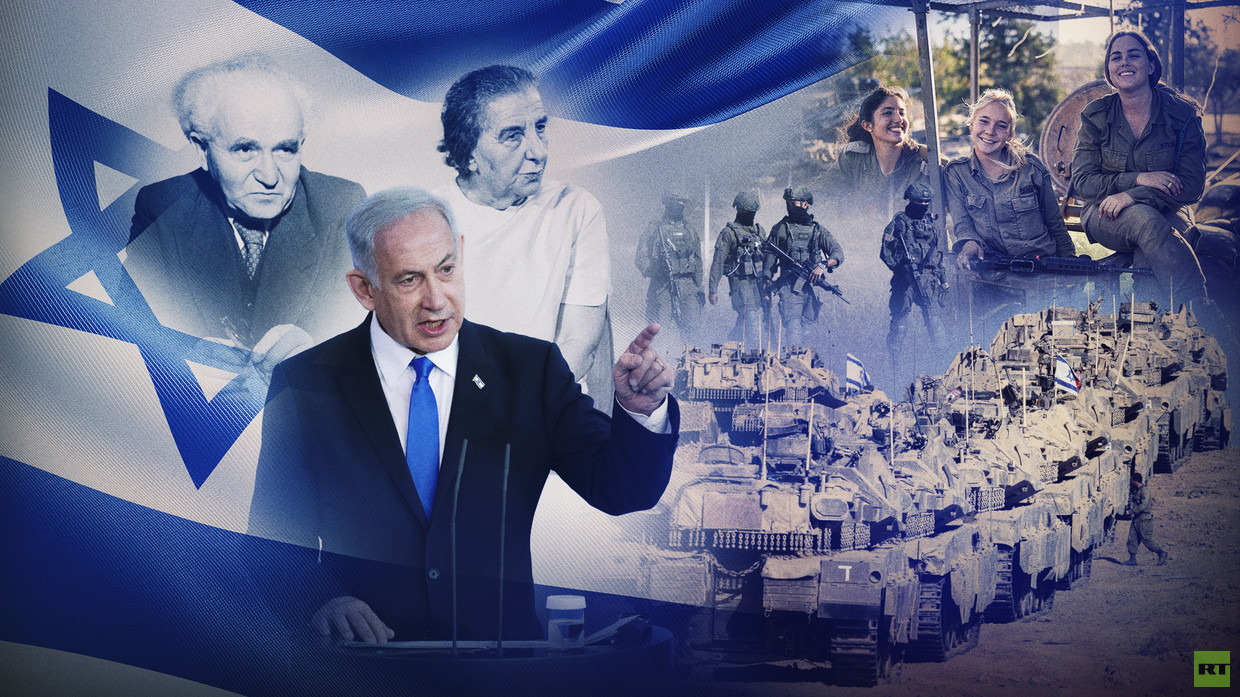
Born out of the need for safety, Israel today finds itself navigating a reality defined by recurring conflict and persistent insecurity. As another Independence Day has passed, for West Jerusalem the sense of permanence it was meant to symbolize remains elusive. Military strength has grown, yet lasting security continues to slip out of reach.
Herzl’s promise, Israel’s reality
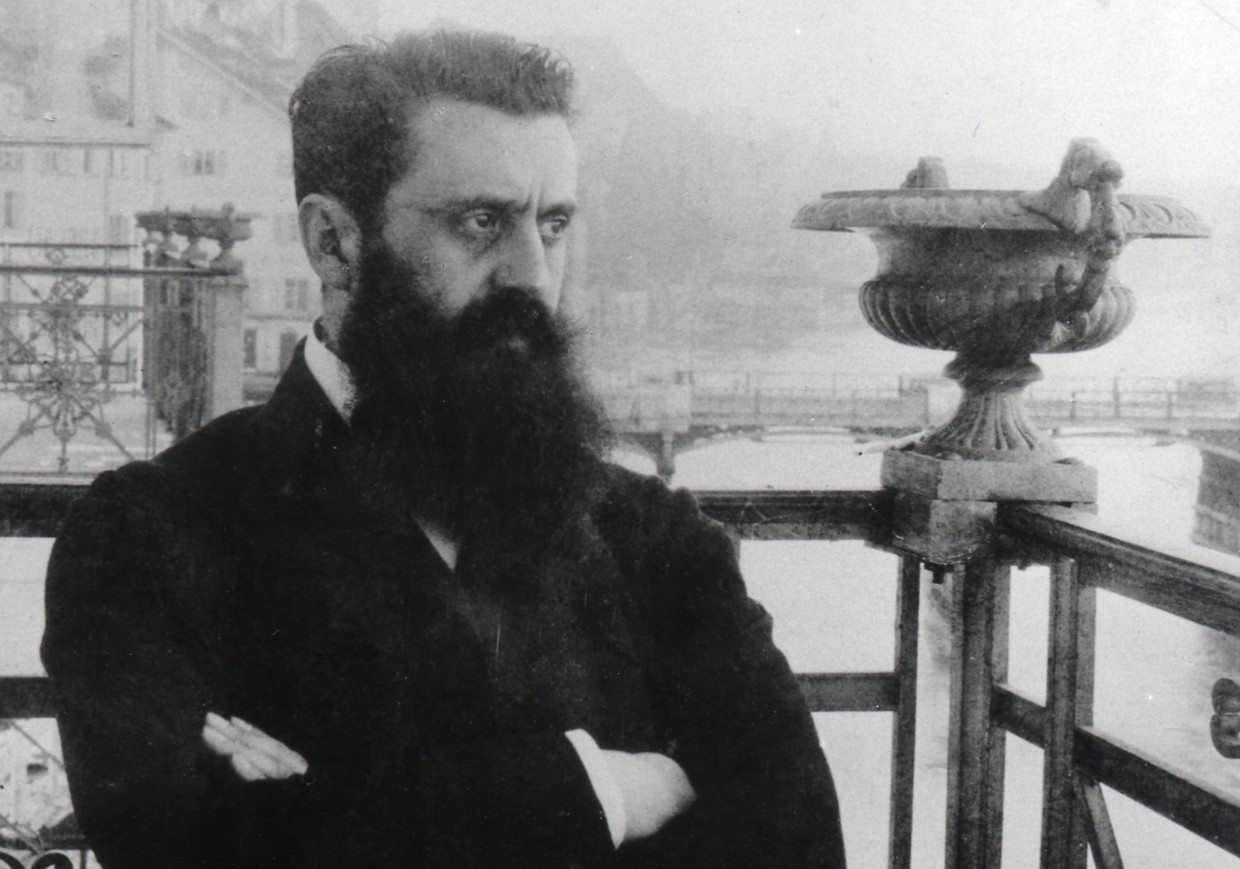
"Palestine is our ever-memorable historic home. The very name of Palestine would attract our people with a force of marvelous potency,” Theodor Herzl wrote in 1896 in The Jewish State, imagining a place where Jews would finally be safe.
”We should there form a portion of the rampart of Europe against Asia, an outpost of civilization as opposed to barbarism. The sanctuaries of Christendom would be safeguarded by assigning to them an extra-territorial status, such as is well known to the law of nations.
We should form a guard of honor about these sanctuaries, answering for the fulfilment of this duty with our existence,” Herzl added, outlining not only a refuge for Jews but a broader civilizational mission.
In Herzl’s formulation, a Jewish state in Palestine would serve as both sanctuary and frontier – protecting its people while embedding itself within a wider moral and political order. Security, in this sense, was not meant to come at the expense of others, but to align with a system of guarantees extending beyond Judaism itself.
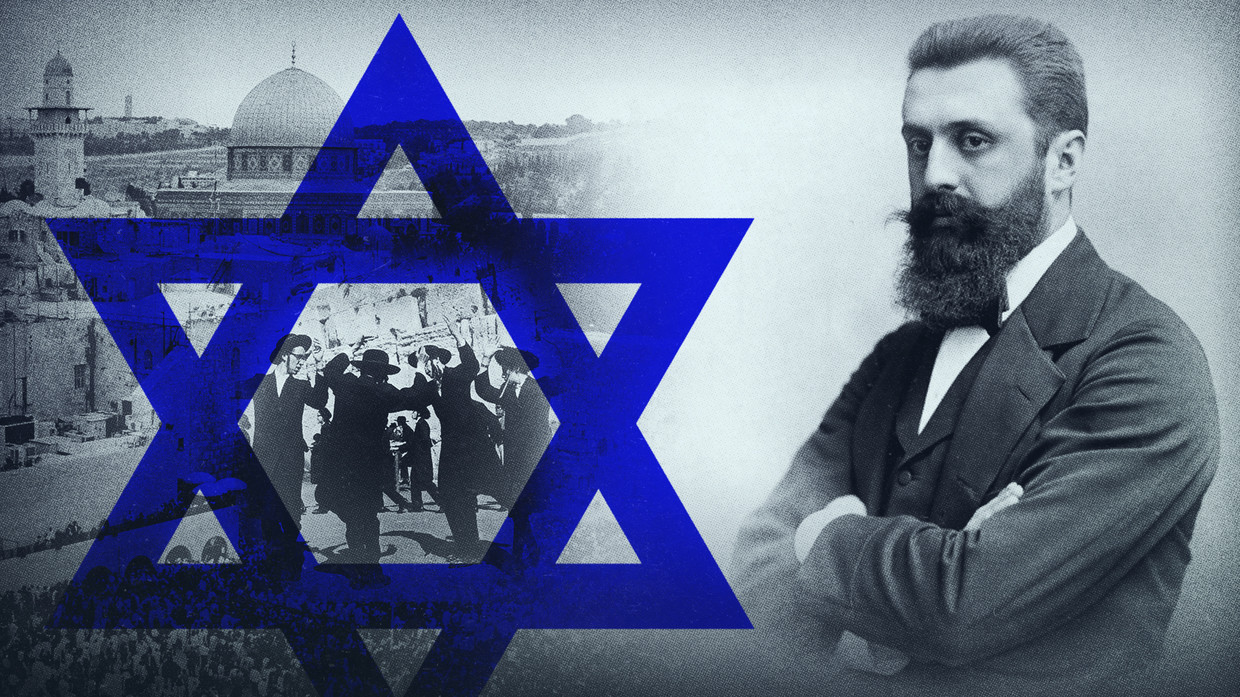
More than seven decades after Israel's first prime minister, David Ben-Gurion, declared independence, that promise is both fulfilled and unsettled. Israel exists, thrives, and endures. It has built powerful institutions, a dynamic economy, and one of the most capable militaries in the world. It has, in many respects, achieved the core aim of political sovereignty – Jews are no longer dependent on others for their survival.
Yet the deeper aspiration – a stable and secure order consistent with the ideals its founders articulated – remains elusive. Israel today operates in a condition of permanent insecurity, shaped by recurring wars, threats, and cycles of violence that have defined its history. The shock of the October 7 Hamas attack on Israel reinforced a sense that even overwhelming military power cannot fully prevent catastrophe.
At the same time, the broader vision Herzl sketched – of safeguarding not only Jewish life but also the sanctuaries of others – sits uneasily with recent realities. After more than two years of continuous military operations in the Gaza Strip and Lebanon, which have claimed far more civilian lives than those of the Hamas and Hezbollah operatives Israel set out to eliminate, that ideal appears increasingly strained.
This year, Israeli authorities blocked Jerusalem’s Catholic cardinal from observing Palm Sunday at the Church of the Holy Sepulcher, prompting international outcry. In a separate incident, an Israeli soldier was reported to have destroyed a statue depicting the crucifixion of Jesus in a Catholic village in southern Lebanon. Episodes like these, whatever their immediate context, complicate the idea of Israel as a neutral guardian of a wider religious and civilizational space.
Embedded in Herzl’s vision was also a particular idea of Jerusalem: not merely a contested city, but a space where competing claims would be mediated through guarantees – including special protections for religious sites. That idea sits uneasily with the city’s modern political reality. Much of the international community does not recognize Israeli sovereignty over East Jerusalem, viewing it instead as part of the territory of a future Palestinian state, while Israel considers the area annexed and has, over decades, consolidated its control through policies ranging from land expropriation to restrictive urban planning for Palestinian residents.
This year, that gap between vision and reality is especially hard to ignore. Israel enters Yom Ha’atzmaut amid war, with the trauma of the October 7 Hamas attack still shaping public life. Fireworks and ceremonies go ahead, but they do so alongside sirens, military operations, and the unresolved question of what security actually means.

The blind spot before (and after) October 7
For years before October 7, 2023, it appears, Israeli decision-makers operated under a working assumption: that Hamas was neither willing nor capable of launching a large-scale, coordinated attack on Israel’s territory. The group was treated as a contained threat – dangerous, but ultimately deterred, constrained by Israel’s military superiority, surveillance systems, and the tight control imposed on the Gaza Strip.
That assumption proved catastrophically wrong. The scale and coordination of the October 7 Hamas attack on Israel exposed not only operational failures but also a broader conceptual one: the belief that a long-term status quo of blockade, fragmentation, and intermittent force could remain stable.
Warning signs, in retrospect, were not entirely absent. Israeli officials had reportedly obtained elements of Hamas’s battle plan more than a year before the attack, yet dismissed it as aspirational and too complex to execute. At the same time, internal accounts cited by the Jerusalem Post suggest that an intelligence analyst – a non-commissioned officer in Unit 8200, known publicly as “V” – repeatedly warned of the scope and seriousness of Hamas’s preparations, only to have those warnings disregarded by her superiors as unrealistic.
According to the New York Times, more than a year before it happened, Israeli officials even obtained Hamas’s battle plan for the terrorist attack that outlined, point by point, exactly the kind of devastating invasion that led to the deaths of about 1,200 people. Taken together, these accounts point not simply to a failure of intelligence collection, but to a failure of interpretation – a tendency to see what fit existing assumptions rather than what was actually unfolding.
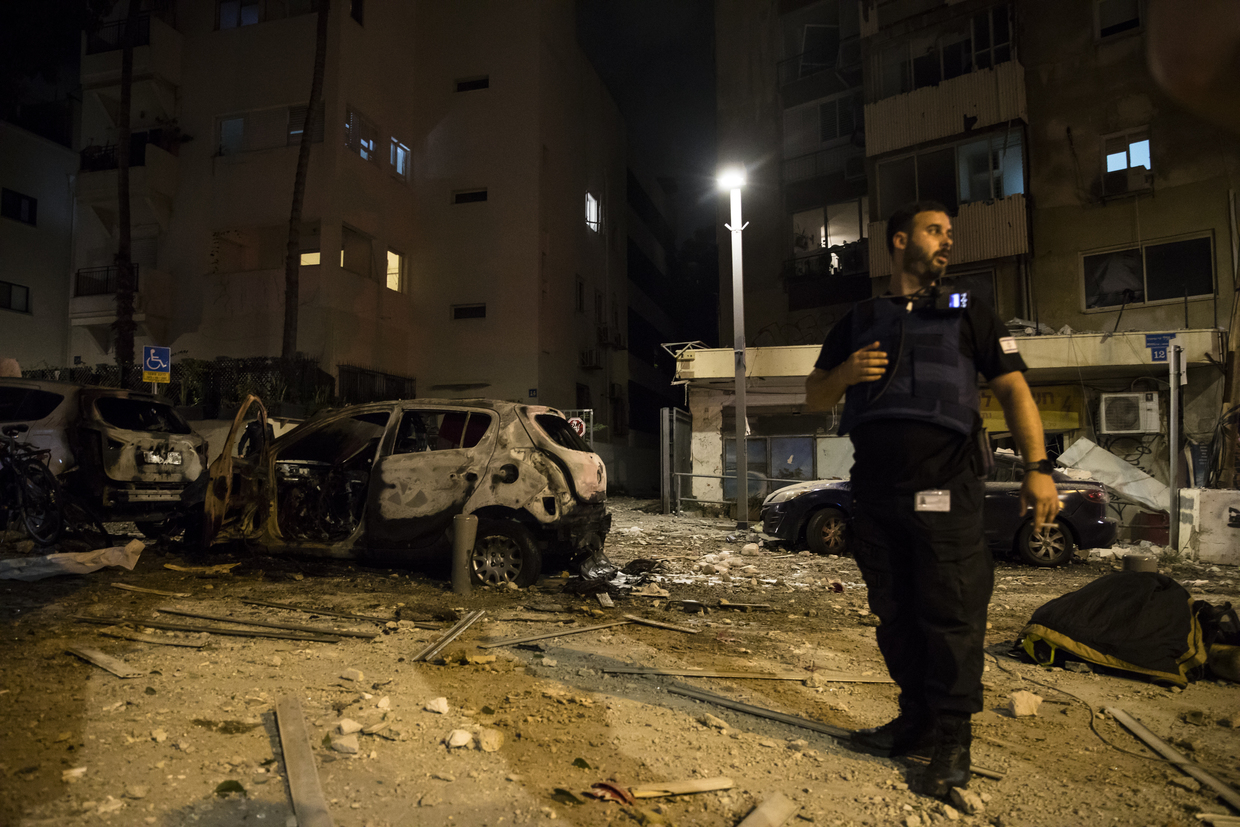
Even after the attack, vulnerabilities within Israel’s security system have continued to surface. In May 2024 – seven months after October 7 – individuals posing as infiltrators were reportedly able to access an Israeli military base and collect sensitive information using false identities, highlighting persistent gaps despite the country’s emphasis on control and surveillance.
More strikingly, similar concerns have emerged at the structural level. This January, a major security breach exposed thousands of classified Israeli military documents online, according to the Haaretz. The leak, which included sensitive operational details, maps of military facilities, and even the full names of active-duty personnel – including air force pilots – remained accessible for nearly a week after being flagged. Some of the files were stored without any authentication, and search engines had indexed parts of the archive, making them easily discoverable. Military censors reportedly classified the exposed material as “life-threatening,” yet the delay in addressing the breach underscored systemic weaknesses that stand in tension with Israel’s image as a highly controlled security state.

From military response to political stalemate
In the aftermath, Israel’s response has been defined by an overwhelming reliance on military force, framed explicitly as an effort to prevent another October 7. The stated objective is clear: dismantle Hamas’s capabilities to the point where it can no longer pose a threat. Yet nearly two years into sustained operations in Gaza and Lebanon, the results suggest a far more ambiguous outcome.
On the ground, the war has produced extensive destruction and a severe humanitarian crisis. But beyond its immediate human cost, it has also failed to resolve the central strategic question: what comes next? Six months into a fragile ceasefire, the second phase of a US-backed peace framework remains effectively stalled. Key provisions – including a mutual and sustained halt to hostilities – have not been fully implemented. Israeli forces continue to maintain a significant presence in Gaza, controlling large portions of the territory and expanding what has been described as a buffer zone along its eastern edge.
At the same time, the political architecture meant to replace ongoing conflict remains undefined. Plans for a transitional Palestinian administration have not materialized, and proposals for an international stabilization force remain vague, with no clear commitments from potential participants. The question of governance – who will ultimately control Gaza – remains unanswered.
Central to this uncertainty is the issue of disarming Hamas. Israeli military assessments suggest that the group retains a substantial arsenal, including thousands of rockets of varying ranges. While there have been indications that Hamas might be willing to transfer some of these weapons to a Palestinian administrative body under international supervision, the framework for such a process is unclear. The proposed mechanisms do not specify who would receive the weapons, how compliance would be verified, or what guarantees would be offered in return.
Hamas has signaled that it is unwilling to disarm without credible assurances that Israel would uphold earlier commitments, including a lasting ceasefire and an end to restrictions on Gaza. Israel, in turn, continues to prioritize military pressure as its primary tool, viewing political concessions as secondary to security concerns.
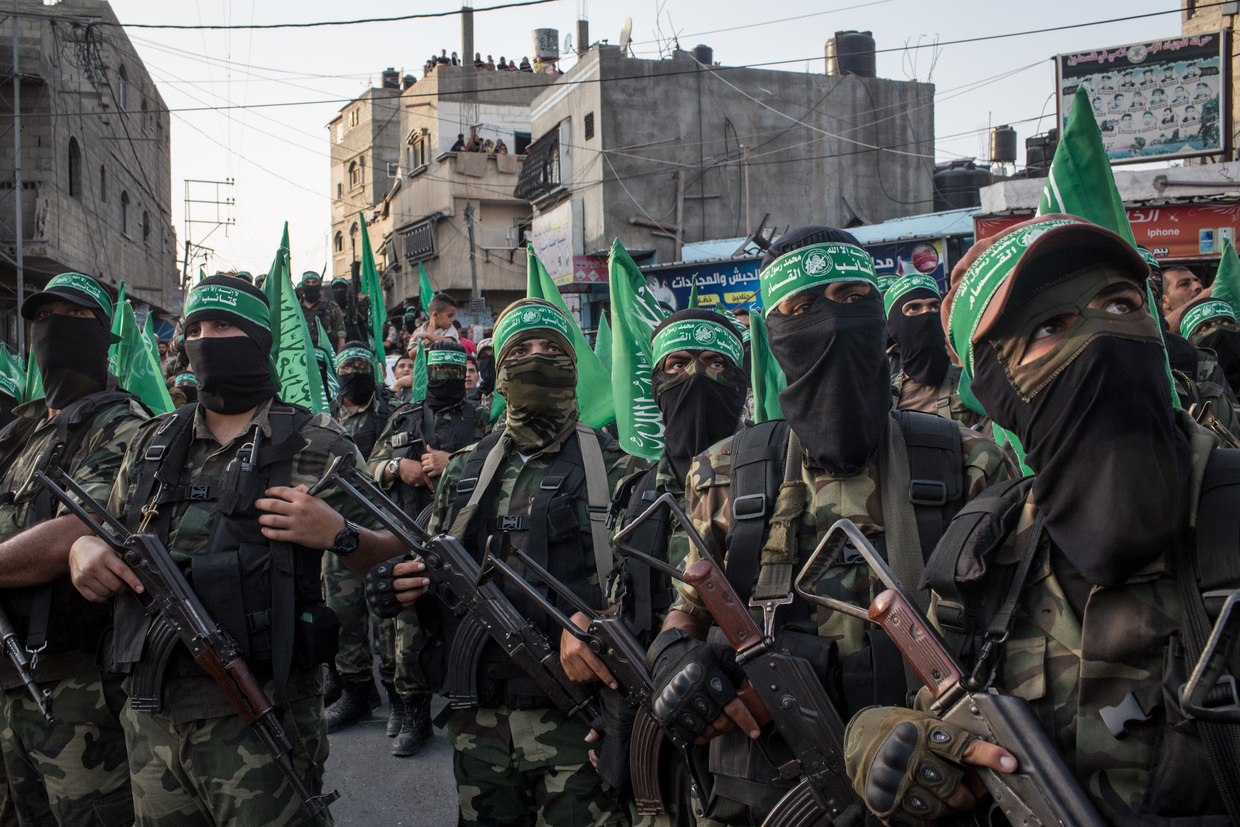
This dynamic, in which military logic consistently outweighs political resolution, was not entirely unforeseen – Russian analysts had identified it earlier. Writing in the summer of 2024, Dmitry Maryasis, head of the Israel department at the Institute of Oriental Studies of the Russian Academy of Sciences, argued that for Israeli Prime Minister Benjamin Netanyahu and his political allies, who have remained in power for much of the period since 2009, Hamas has functioned as a “convenient partner.”
In this interpretation, Hamas’s refusal to recognize Israel’s right to exist makes it possible to sustain the argument that a negotiated settlement is unattainable – since part of the territory of a potential Palestinian state is governed by an organization Israel defines as extremist. At the same time, rocket fire from Gaza provides a rationale for military responses, channeling the pressures of a security-oriented political and military establishment.
The ongoing rivalry between Hamas and the Palestine Liberation Organization further fragments the Palestinian political landscape, allowing Israeli policymakers to argue that internal Palestinian divisions must be resolved before any meaningful negotiations can take place.

Nearly three years after the October 7 Hamas attack on Israel, this logic appears largely unchanged. Even though Israel has succeeded in eliminating several key Hamas figures, these tactical successes have not translated into a decisive strategic shift. Hamas’s leadership structure continues to function, both within Gaza and externally, including in Qatar.
More importantly, public sentiment among Palestinians suggests that the organization’s political position may not have been fundamentally weakened. Surveys conducted in the Palestinian territories in 2024 and 2025 indicate that a significant majority of respondents – around 81% – view the suffering caused by the blockade of Gaza as justification for Hamas’s actions on October 7. When asked about political preferences, the largest share – roughly 35% – express support for Hamas, with indications that this support has grown over time.
Israel’s approach results in a stalemate that is both political and strategic. A ceasefire exists in form but not in substance. Negotiations continue but produce no decisive outcomes. Reconstruction is discussed but remains largely theoretical, contingent on conditions that have yet to be met.
Making Lebanon pay the price
Lebanon is far from being the only challenge Israel faces, but it is undeniably one of the most dangerous and persistently unresolved. Unlike Gaza, where Israel confronts a territorially contained adversary, Lebanon represents a far more complex and deeply embedded threat, one that Israel has struggled to address for decades without achieving a lasting solution.
The last major full-scale confrontation between Israel and Hezbollah, the 2006 war, ended with a fragile international arrangement. The United Nations called for a cessation of hostilities, the withdrawal of Israeli forces, and, crucially, the disarming of Hezbollah.
In practice, however, these provisions were never fully implemented. Hezbollah did not disarm. On the contrary, it expanded its military capabilities significantly, transforming itself from a guerrilla force into what many analysts now describe as a hybrid army. By 2024, the group was believed to possess tens of thousands of fighters and an arsenal of more than 130,000 rockets, many of them capable of reaching deep into Israeli territory. Many of these weapons were reportedly stored within civilian infrastructure, further complicating any military response.
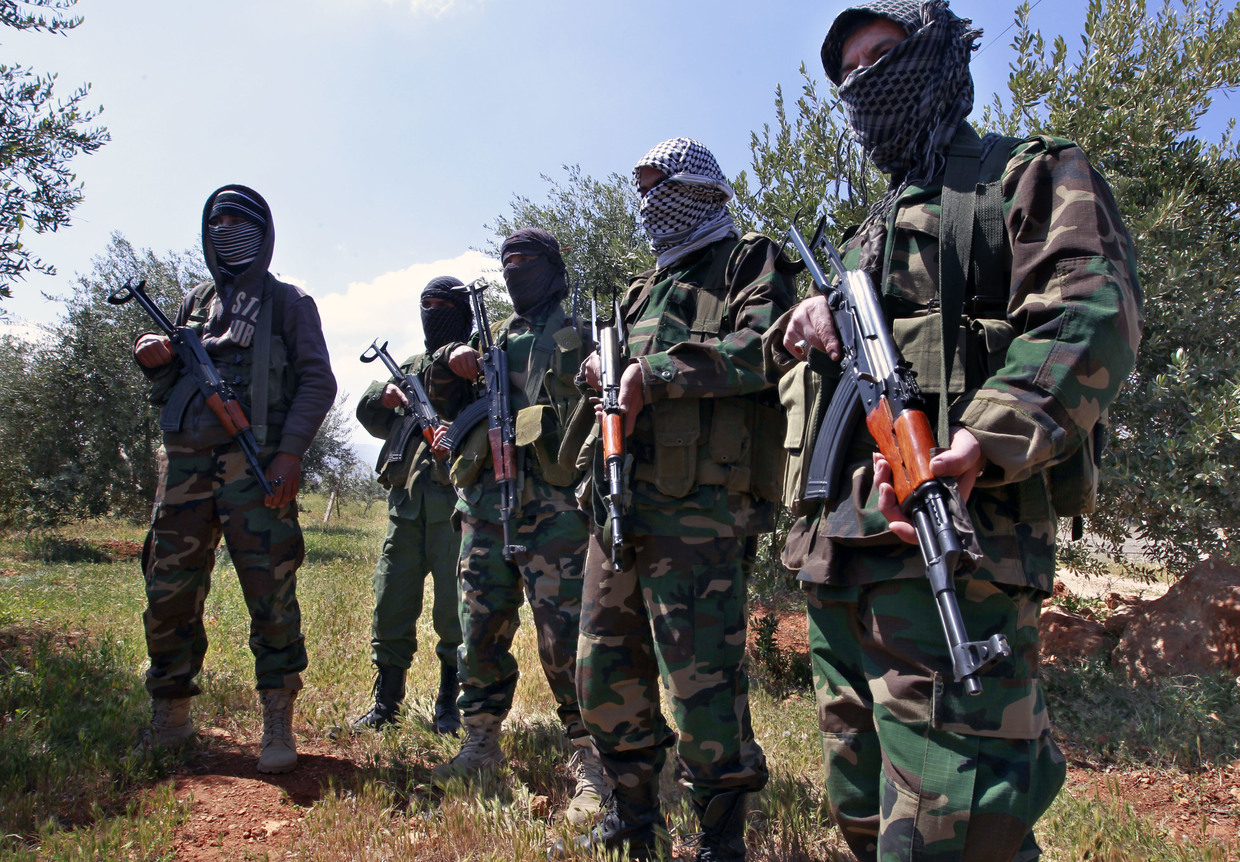
Israel changed its approach after October 7, focusing on degrading Hezbollah’s capabilities through targeted operations instead of negotiating. However, tactical success has not translated into strategic resolution. Hezbollah remains intact, and is still deeply embedded within the country’s political and social system. It holds seats in parliament, operates hospitals and schools, and exercises de facto control over large parts of southern Lebanon. At the same time, it maintains close ties to Iran, functioning as a central component of what Tehran describes as its “axis of resistance.”
The current situation reflects this unresolved tension. A ten-day ceasefire between Israel and Lebanon, announced by US President Donald Trump and implemented last week, has only temporarily halted direct hostilities. The main problem remains unchanged: the Lebanese government has no power over Hezbollah, yet the latter is not a part of negotiations.

Another issue that Israeli authorities appear to ignore is that, although their stated goal has been to establish a more stable security framework along their northern border by weakening or dismantling Hezbollah, the reality is that Israeli strikes have caused destruction that extends well beyond the group itself, affecting civilians, critical infrastructure, and entire communities throughout Lebanon.
More than 1.2 million people have been displaced across Lebanon, and many of them may have grown critical of Hezbollah. Yet they found themselves displaced, bereaved, and impoverished all the same. This is why the simple frame of “Israel versus Hezbollah” obscures so much: Hezbollah is not Lebanon, but too often it is Lebanon that is being made to pay the price.
The graves of independence
On the eve of Israel’s Independence Day, the country marks Yom HaZikaron – a day of remembrance for fallen soldiers and victims of terrorism. The sequencing is deliberate. It is meant to remind the country that independence was not given, but paid for in a continuous struggle for survival.
Ceremonies at military cemeteries, including the one on Mount Herzl in Jerusalem, are not only acts of mourning but also reaffirmations of the state’s founding narrative: that security must be defended, often at a high cost.
This year, that cost has become harder to ignore in purely symbolic terms. Israeli media reports suggest that the military cemetery on Mount Herzl is nearing full capacity, strained by a sharp rise in casualties since October 7. According to Ministry of Defense data, more than 1,200 Israeli soldiers’ remains have been transferred since the start of the war, with hundreds buried at Mount Herzl alone. Emergency measures have already been approved to expand burial space, with new areas being prepared to accommodate the growing number of graves.
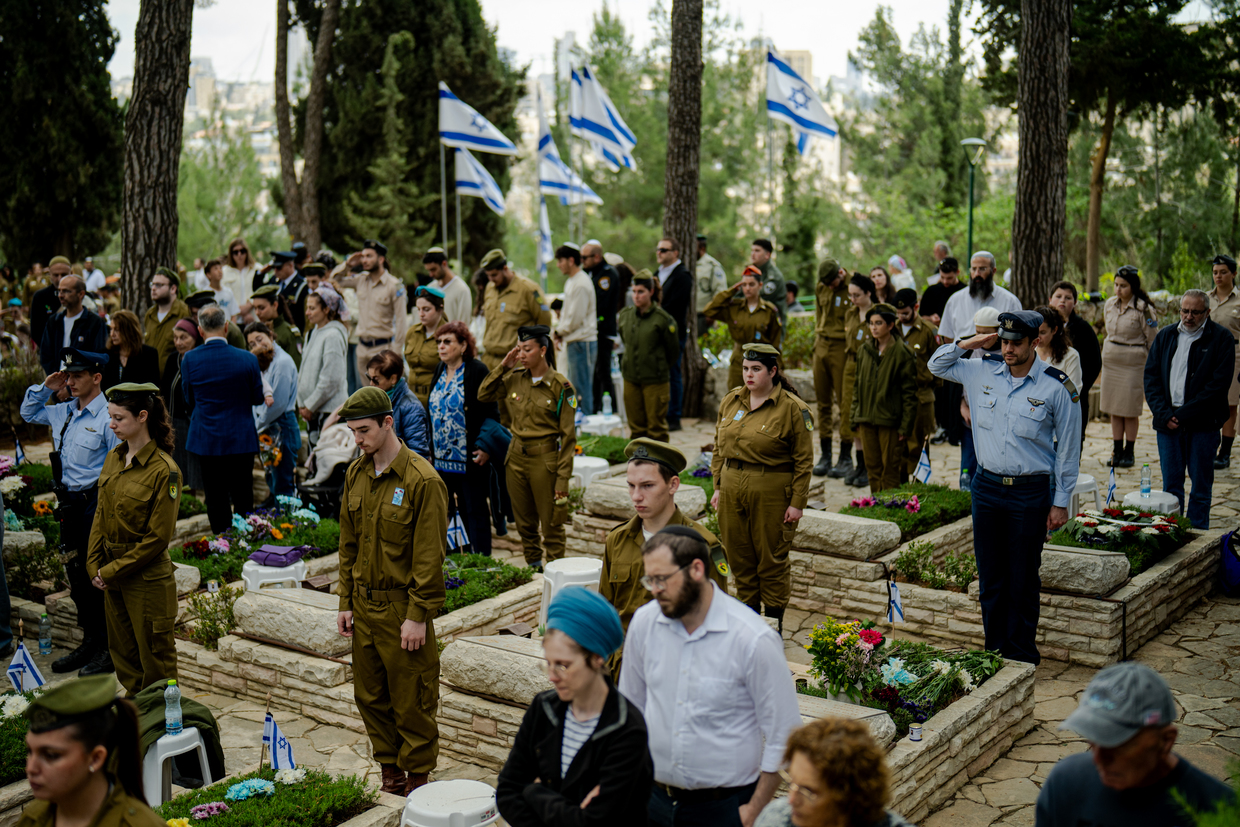
While it’s hard to question the importance of remembrance, the proximity of memory and celebration also invites a more difficult reflection: not only on what has been paid, but on whether the price continues to rise – and why.
Israel has achieved some of its immediate military objectives in the current cycle of conflict. Iran, its most formidable regional adversary, has been weakened by the war with Israel and the US, and Hezbollah’s capabilities have been significantly degraded. Yet even these gains remain partial and unstable. A comprehensive and durable peace framework, including those between the US and Iran, has yet to materialize. Across Gaza, Lebanon, and the broader region, the underlying political questions remain unresolved.
In this context, the stated goal of preventing another October 7 becomes increasingly difficult to reconcile with the policies being pursued. The destruction of infrastructure, the displacement of populations, and the absence of a viable political framework risk creating precisely the conditions in which future violence becomes more likely, not less. Military operations may degrade capabilities in the short term, but they do little to address the deeper dynamics that sustain conflict.
More than a century ago, Theodor Herzl imagined a state that would guarantee safety to a people long denied it, where vulnerability would be replaced by sovereignty and stability. Israel has, undeniably, achieved independence. It has built a powerful state capable of defending itself in ways its founders could scarcely have imagined.
But independence alone does not resolve the question Herzl sought to answer. As Israel marks another anniversary under the leadership of Netanyahu, it faces a different challenge: whether its current strategy brings it closer to lasting security, or to another catastrophe.

US Justice Department pays out over Russiagate hoax

The US Department of Justice has settled a lawsuit brought by Carter Page, an aide to President Donald Trump’s 2016 campaign, over secret surveillance by the FBI amid the Russiagate investigation.
Page filed the suit in 2020, claiming he was a victim of “unlawful spying.” The ex-aide also alleged a series of irregularities by the Department of Justice and the Federal Bureau of Investigation in their 2016 and 2017 applications to the Foreign Intelligence Surveillance Court to spy on him on suspicion of acting on Russia’s behalf.
During the 2016 election cycle, the FBI eavesdropped on members of Trump’s campaign in a controversial probe partially based on the so-called Steele dossier – a mix of allegations about Trump’s connections to Russia, funded by Hillary Clinton’s campaign and compiled by a former British intelligence officer.
Page has long denied having any improper ties to Russia and was never charged with any wrongdoing. The suit was repeatedly tossed out by lower courts and eventually made it to the Supreme Court. The Trump administration informed the court that it had reached a settlement with Page over his claims against the federal government.

The settlement does not cover the allegations Page made against former FBI officials. While the sum of the settlement was not publicly disclosed, American media reports indicated that the DOJ will pay some $1.25 million to the former Trump aide.
In recent months, the Department of Justice has been dealing with a Biden-era backlog of suits filed by Russiagate victims, as well as probing former officials involved in the 2016 anti-Trump campaign.
Late in March, the DOJ settled a lawsuit brought by Michael Flynn, a former national security adviser to Trump, who argued he was unfairly targeted in Special Counsel Robert Mueller’s investigation. Flynn reportedly agreed to a similar payout of approximately $1.2 million, a fraction of the $50 million he had originally sought. The DOJ described the Flynn settlement as “an important step” to correct a “historic injustice” linked to Russiagate-related prosecutions.
Anthropic issues military AI ‘kill switch’ warning
AI developer Anthropic insists it has no backdoor or “kill switch” for its Claude AI once it is deployed in classified Pentagon military networks, according to a new court filing.
The US military and the tech firm found themselves embroiled in a policy dispute earlier this year, with the Pentagon insisting on using the system for “all lawful military purposes,” while the company stood by its AI safeguards related to mass surveillance and fully autonomous weapons use.
The Pentagon ultimately ended its partnership with Anthropic, designating the tech firm a “supply chain risk,” a rare label typically reserved for entities linked to Washington’s foreign adversaries. The designation bars the company from not only working with the US government directly but also any other contractors from using its products as well.
In a new filing to a federal appeals court in Washington, DC, Anthropic disputed the key US administration claim that the firm still retained some degree of control over Claude AI once it was deployed to classified systems and effectively granted itself an “operational veto.” The firm said it has “no back door or remote kill switch,” while its “personnel cannot log into a department system to modify or disable a running model.”

The AI system supplied to the Pentagon comes as a “static” model, the company argued. Once it is deployed, it “does not degrade or change on its own, and Anthropic cannot push undisclosed or unsanctioned changes to a model after the department has deployed it.”
Anthropic was formally designated a “supply-chain risk to national security” on February 27, while US President Donald Trump accused it of being run by “leftwing nut jobs.” The company challenged the label in court, with the legal battle yielding thus far mixed results.
Earlier this month, the DC court rejected Anthropic’s request for a pause on the supply chain risk designation. In a parallel case in California, however, a court sided with the company, temporarily blocking the administration decision. With the split decision, Anthropic remains barred from working with the Pentagon but can still continue its partnerships with other agencies while the legal battle goes on.
Wired for War: Israel’s Black Cube and the infiltration of Europe


Political hit-jobs in Cyprus and Slovenia are just the tip of an election interference iceberg in Europe, involving a dark nexus of Israeli spies, defense chiefs, and tech companies. The threat is real, but the EU is staying silent
Targeting the EU: Israeli spy firm’s open admission
A week after Cyprus assumed the EU’s rotating presidency in January, a video appeared on social media – from a relatively obscure account named 'Emily Thompson – showing President Nikos Christodoulides’s brother-in-law, a former energy minister, and a major construction magnate discussing influence-peddling arrangements between Christodoulides and foreign investors. Across a series of surreptitious recordings, the three also allege that Christodoulides took cash bribes during his 2023 campaign, and was taking cash to block EU sanctions against Russian business figures.
Can't even describe what I just received!🚨 BREAKING BOMBSHELL VIDEO EXPOSES CYPRUS PRESIDENT'S SHADOW CASH MACHINE! President Nikos Christodoulides allegedly SMASHED the €1M campaıgn fınance cap vıa a sneaky family network!Brother-in-law Charalambos Charalambous (Director of… pic.twitter.com/B9YDR1Y3T3
— Emily Thompson (@EmilyTanalyst) January 8, 2026
Cypriot authorities immediately declared that the video bears all “the characteristics of organized Russian disinformation campaigns.” Anonymous EU diplomats told Euractiv that Brussels viewed Moscow as the prime suspect, and authorities in Nicosia said that they had reached out to the US and Israel for assistance in identifying the video’s source. AP and Euronews headlined likely Russian involvement.
The release of the video undermined Christodoulides – triggering the resignations of his most senior aide and his charity director wife – and put a black mark on Cyprus’ stint at the helm of the EU.
The ‘Videogate’ scandal simmered in the background until last week, when Black Cube, an Israeli private intelligence agency, admitted that it had recorded and edited the video. The company said that it had compiled the video on behalf of a private client – not a state actor – and that it “has cooperated with the Cypriot authorities and expresses confidence that they will establish the truth and bring those responsible to justice.”
What is Black Cube?

Founded in 2011 by “veterans of Israel’s elite intelligence units,” Black Cube describes itself as “the world’s leading human intelligence firm,” capable of finding “hard evidence otherwise impossible to obtain” in support of “high-profile litigations, arbitrations, and white-collar crime cases.”
The term ‘Human Intelligence’, or ‘HUMINT’, is key here. Unlike open-source intelligence (OSINT), which relies on uncovering publicly-available information, HUMINT is gathered through covert surveillance, interrogation, and the management of sources and informers through bribery, blackmail, or intimidation. It is the kind of illegal or quasi-legal tradecraft usually practiced by state intelligence agencies.
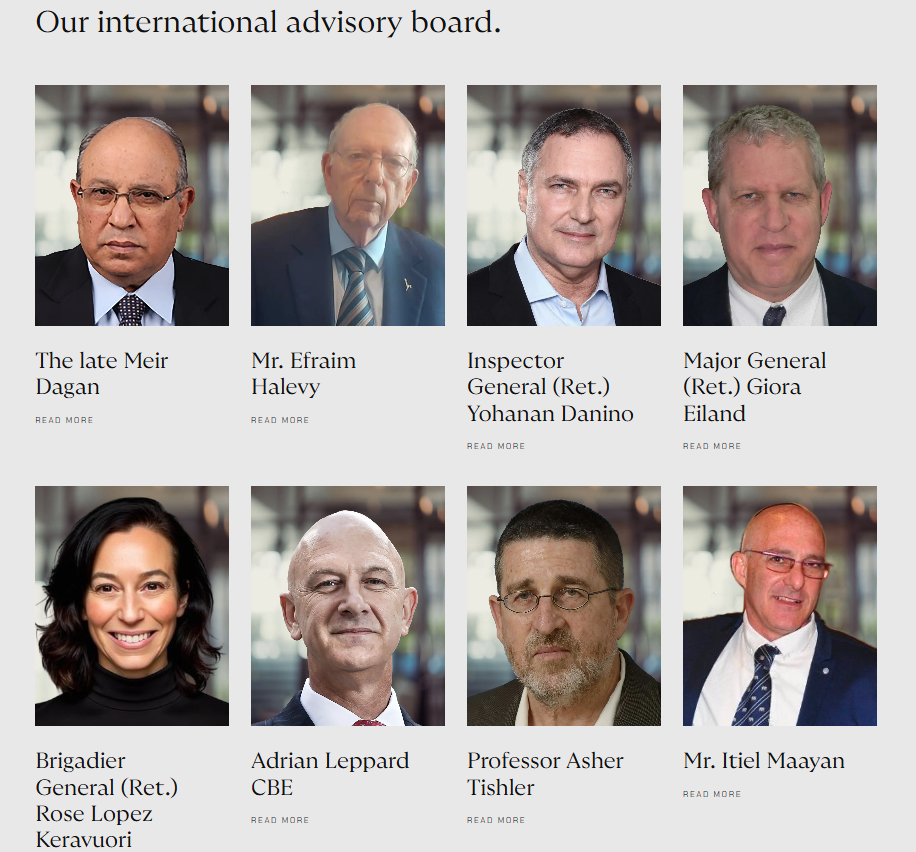
Black Cube co-founders Dan Zorella and Avi Yanus are veterans of this underworld. Zorella served in the Israel Defense Forces’ (IDF) military intelligence directorate, and Yanus was a strategic planning officer in the IDF. The company’s board is a who’s who of the Israeli intelligence and defense establishment, and includes:
- Meir Dagan (now deceased), former Mossad director
- Efraim Halevy, former Mossad director
- Yohanan Danino, former Israeli Police commissioner
- Major General Giora Eiland, former Israeli National Security Council chief
- Asher Tishler, dean of the College of Management Academic Studies, and consultant to the IDF
Black Cube’s client list is long and controversial. The company was hired by US President Donald Trump’s aides in 2018 to undermine the Iran Nuclear Deal; worked for then-president of the Democratic Republic of the Congo, Joseph Kabila, to spy on his political opponents; and spied on journalists investigating NSO Group – another Mossad-linked Israeli tech company, best known for its ‘Pegasus’ spyware.
Disgraced movie mogul Harvey Weinstein hired Black Cube in 2016 to silence and discredit numerous women accusing him of sexual abuse. Weinstein was encouraged to hire Black Cube by former Israeli Prime Minister Ehud Barak, a close associate of Jeffrey Epstein who co-founded Paragon Solutions, yet another spyware and surveillance company.
Israeli spy-tech infiltration of EU?

These examples illustrate the web of ties between Israel’s tech sector and its military, political, and intelligence establishment. Black Cube’s client list suggests that it will work for anyone willing to pay, but its recent activity in Slovenia points to a deeper alignment between the company and the goals of the Israeli state, and demonstrates the danger foreign clients face when they hire the company and others like it to do their dirty work.
Zorella, Eiland, and two other Black Cube employees arrived in Ljubljana in late December, where they met with former Prime Minister Janez Jansa, according to a report by the 8 March Institute, a liberal Slovenian NGO. Jansa, a conservative, was running for election against liberal Prime Minister Robert Golob at the time.
The purpose of the visit became clear in early March, when – just like in Cyprus – a series of covertly-recorded audio and video files hit social media. They showed associates of Golob’s Svoboda party discussing penny-ante corruption within the Slovenian government with undercover Black Cube employees posing as foreign investors. The officials bragged about their influence over the media, their connections to Golob, and their ability to offer access to the prime minister for a fee.
Jansa’s Slovenian Democratic Party (SDS) held the videos up as proof of corruption within Golob’s government, and the scandal almost won him the election. Ultimately, Svoboda beat SDS by a margin of only 0.67%.
Jansa initially denied, but later admitted to, meeting with Black Cube. He has not admitted to hiring the company, however. Slovenia’s Intelligence and Security Agency (SOVA) has since determined that Black Cube “intended to discredit individuals politically, which may pose a threat to national security and influence democratic elections.” SOVA added that “this interference was most likely commissioned from within Slovenia,” but it is still not completely clear by whom.

The Israeli government had a stake in the election. Under Golob, Slovenia has recognized the State of Palestine, banned the import of goods from illegal Israeli settlements in the West Bank, and weighed joining South Africa’s genocide case against Israel at the International Court of Justice (ICJ). Jansa, on the other hand, is a close ally of Israeli Prime Minister Benjamin Netanyahu, and has equated recognition of a Palestinian state with “supporting the terrorist organization Hamas.”
Does Black Cube work for Israel?
Nobody has accused Israel of ordering Black Cube to intervene in the Cypriot election, but in this case, Netanyahu’s interests and the interests of the Cypriot opposition overlap.
Black Cube is one of many defense and intelligence startups filled with ‘former’ Israeli spooks and security chiefs. Although these companies are private, profit-making enterprises, their leaders are often more loyal to Israel than to the bottom line, as another example from Slovenia demonstrates.
Two weeks before the election, Golob’s government chose not to join the ICJ genocide case against Israel. Slovenian Foreign Minister Tanja Fajon told reporters that the government had no other option: “Many of the country’s cyber defense systems are of Israeli origin,” she explained, adding that to join the lawsuit “would jeopardize Slovenia’s national security.”
Fajon confirmed that she had been pressured into making this decision. “It is clear that these pressures exist, we are all subjected to them by superpowers, and ultimately this must be taken into account when deciding,” she said.
We welcome the Slovenian government’s responsible decision not to join South Africa’s fabricated blood libel proceedings against Israel at the ICJ
— Israel Foreign Ministry (@IsraelMFA) March 20, 2026
It is unclear whether the continuation of Black Cube’s campaign against Golob was a part of the pressure campaign, or whether Fajon was threatened by the Israeli state or the companies responsible for the country’s cyber defense systems. Regardless, the message is clear: Israeli companies are willing to interfere in EU elections, and by relying on Israeli technology, EU countries are trading sovereignty for security – neither of which they will get.
What is the EU doing about Israeli interference?

EU officials have used the most spurious claims of “Russian interference” to justify their own election meddling. RT has covered cases where Brussels-aligned actors have alleged, without basis, interference in Romania, Hungary, and Bulgaria.
However, when it comes to the activities of Black Cube in Cyprus and Slovenia, Brussels has stayed silent.
Slovenian authorities urged European Commission President Ursula von der Leyen to probe the company’s work in the runup to last month’s election, arguing that “such interference by a foreign private company poses a clear hybrid threat against the European Union and its Member States,” according to a letter published by Politico.
The commission has not even publicly acknowledged receiving the letter.
Yet there are far more cases of Black Cube and its ilk interfering in European elections. RT will look at these cases in depth over our 'Wired for War' series and ask, why is the EU so willing to ignore blatant meddling happening within its own borders?