۱۴۰۳ مرداد ۱۱, پنجشنبه

 BBC News, فارسی

زنده,تنش در خاورمیانه؛ هنیه در تهران تشییع شد و اسرائیل از کشتن محمد ضیف خبر داد

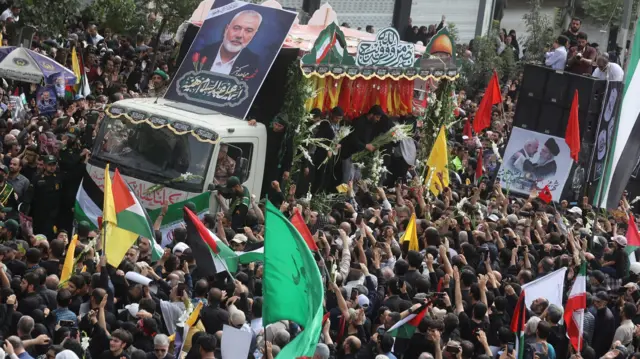
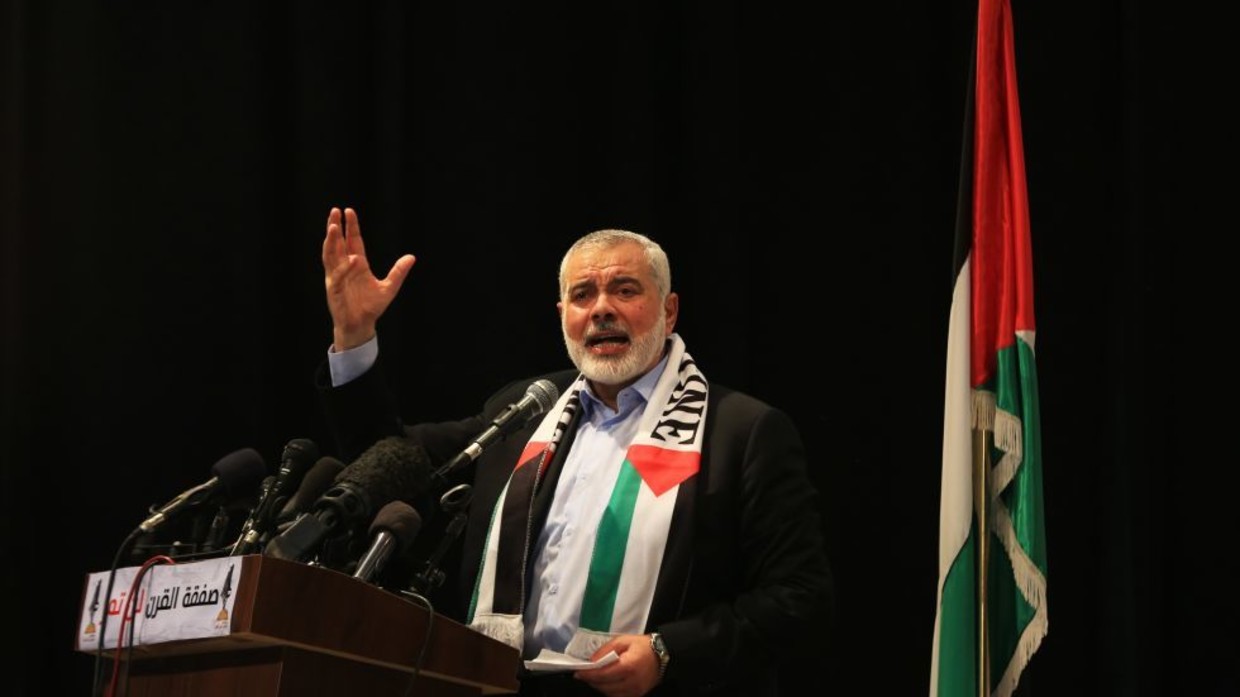
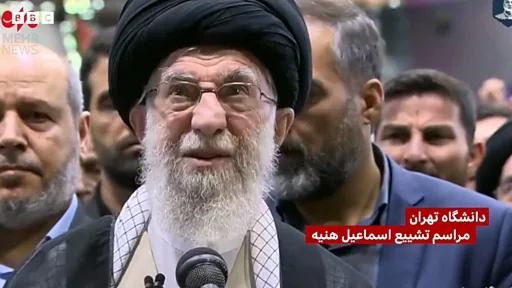
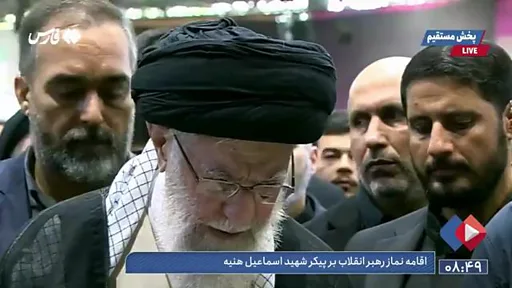
مراسم تشییع اسماعیل هنیه، رئیس دفتر سیاسی حماس که بامداد دیروز در شهر تهران ترور شد، در دانشگاه تهران برگزار شد. آیت‌الله خامنه‌ای، رهبر جمهوری اسلامی در این مراسم بر اسماعیل هنیه نماز خواند. مسعود پزشکیان، رئیس جمهور جدید ایران هم در کنار او حضور داشت. همزمان ارتش اسرائیل می‌گوید که محمد ضیف فرمانده شاخه نظامی حماس در غزه کشته شده است.

خلاصه

  • آیت‌الله علی خامنه‌ای، رهبر جمهوری اسلامی در دانشگاه تهران بر اسماعیل هنیه نماز خواند
  • مسعود پزشکیان، رئیس جمهور جدید و بسیاری از مقام‌های ایران هم در کنار او حضور داشتند
  • محمدباقر قالیباف، رئیس مجلس ایران گفت: «اسرائیل بداند که بهای گزافی برای این مسئله می‌پردازد»
  • سرپرست وزارت خارجه ایران، در تماسی تلفنی با وزیر خارجه ترکیه، درباره ترور اسماعیل هنیه در تهران رایزنی کرده است
  • عضو ارشد حماس در تهران: همه جهان باید بکوشد اسرائیل از زمین محو شود
  • بازتاب کشته شدن هنیه در روزنامه‌های ایران؛ «عبور از تمام خط قرمزها»
  • ترور اسماعیل هنیه در تهران؛ وعده «مجازات سخت» اسرائیل و نگرانی از تشدید تنش‌

پوشش زنده

  1. درخواست دوباره اتحادیه اروپا برای خویشتنداری طرفین

    اتحادیه اروپا بار دیگر درخواست خود برای خویشتنداری طرف‌های مختلف در تنش خاورمیانه را تکرار کرده است.

    پیتر سانتو، سخنگوی اتحادیه اروپا گفته است که این اتحادیه از همه «خویشتنداری حداکثری» می‌خواهد و تکرار کرده است که «هیچ کشور و هیچ ملتی از تشدید تنش در خاورمیانه سود نخواهد برد.»

  2. خبر فوری,رئیس ستاد کل نیروهای مسلح ایران: خونخواهی حتمی است، باید اقدامات گوناگونی صورت بپذیرد

    محمد باقری، رئیس ستادکل نیروهای مسلح ایران در حاشیه مراسم تشییع اسماعیل هنیه گفته است: «در مورد اینکه محور مقاومت و ما چگونه این خونخواهی را انجام می‌دهیم موضوعی است که در دست بررسی است.»

    وی تاکید کرده که «حتما این کار اتفاق خواهد افتاد» اما جزییات بیشتری در این خصوص نگفته است.

    سرلشکر باقری همچنین گفته بایستی «اقدامات گوناگونی صورت بپذیرد» و اسرائیل «حتما پشیمان خواهد شد».

  3. رویترز می‌گوید امروز نمایندگانی از لبنان، عراق و یمن با مقامات ایران درباره تلافی احتمالی گفتگو می‌کنند

    خبرگزاری رویترز به نقل از پنج منبع، که هویتشان فاش نشده، می‌گوید قرار است امروز مقامات ارشد ایران با نمایندگانی از متحدان منطقه‌ای این کشور از لبنان، عراق و یمن درباره اقدامات تلافی جویانه احتمالی علیه اسرائیل در پی کشته شدن اسماعیل هنیه دیدار و گفتگو کنند.

    پس از ترور اسماعیل هنیه در تهران در روز گذشته و کشته شدن یکی از فرماندهان ارشد حزب‌الله در روز سه شنبه در حمله اسرائیل به حومه بیروت، پایتخت لبنان، منطقه با گسترش خطر درگیری بین اسرائیل، ایران و نیروهای نیابتی این کشور روبرو است.

  4. پزشکیان: ذره‌ای از حمایت فلسطین کوتاه نمی‌آییم

    رسانه‌های ایران گزارش کرده‌اند که شب گذشته مسعود پزشکیان، رئیس جمهور ایران با خلیل الحیه، جانشین دفتر سیاسی حماس که در تهران حضور دارد به صورت تلفنی صحبت کرده و گفته است: «رهبری، ملت و دولت ایران ذره ای از حمایت ملت مظلوم فلسطین کوتاه نخواهند آمد».

    رئیس جمهور جدید ایران افزوده ما «با عزمی راسخ تر به پشتیبانی از محور مقاومت و خصوصا مردم فلسطین و مظلومین غزه ادامه خواهند داد.»

    آقای پزشکیان همچنین مدعی شده که اسرائیل در همه «سیاست‌های جنایتکارانه خود ناکام مانده» و ترور اسماعیل هنیه را «ناشی از به بن بست رسیدن» آنها دانست.

  5. معاون نخست‌وزیر طالبان برای شرکت در تدفین اسماعیل هنیه از تهران به دوحه رفت

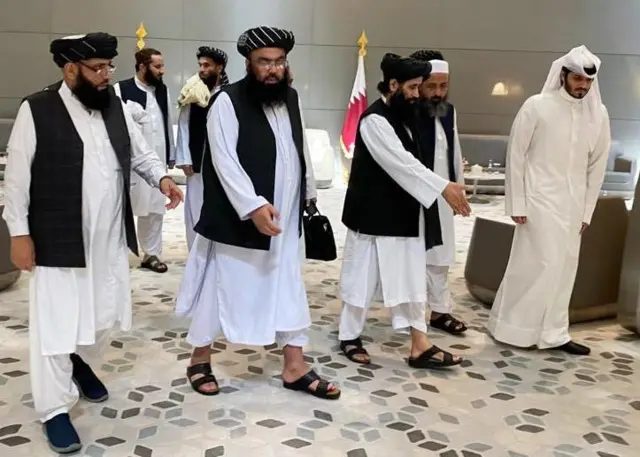
    عبدالکبیر، معاون سیاسی نخست‌وزیر حکومت طالبان، برای شرکت در مراسم تدفین اسماعیل هنیه به دوحه پایتخت قطر رفته است.

    قرار است مراسم تدفین رهبر سیاسی حماس فردا جمعه در قطر برگزار شود.

    «ارگ» حکومت طالبان با انتشار عکس‌های از آقای کبیر در شبکه اجتماعی ایکس، اعلام کرده که آقای کبیر پس از شرکت در مراسم تحلیف مسعود پزشکیان، رئیس جمهور جدید ایران و در پی کشته شدن آقای هنیه در تهران، به دوحه رفته است.
    حکومت طالبان

    منبع تصویر،TALIBAN GOVERNMENT

  6. فرمانده سپاه: آتش خشم و انتقام شعله‌ورتر می‌شود

    حسین سلامی، فرمانده کل سپاه پاسداران انقلاب اسلامی با اشاره به ترور اسماعیل هنیه توسط اسرائیل در تهران گفته است «آتش خشم و انتقام مجاهدان مومن جبهه عظیم مقاومت اسلامی» پس از این «شعله‌ورتر» می‌شود.

    آقای سلامی در مراسمی برای میلاد بیدی شرکت کرده است، نظامی ایرانی که در بیروت کشته شد.

    ایران او را «مستشار نظامی» معرفی کرده و فرمانده کل سپاه گفته است که او جزو «نسل جدید پاسداران» بوده و «در عرصه‌های دفاع از انقلاب و نظام اسلامی و صیانت از امنیت و آرامش این سرزمین در رویارویی با توطئه‌های دشمنان» کشته شده است.

  7. دیوار نگاره جدید میدان ولیعصر تهران با تصویری از پزشکیان و هنیه
    میدان ولیعصر

    منبع تصویر،OWJMEDIA_ORG

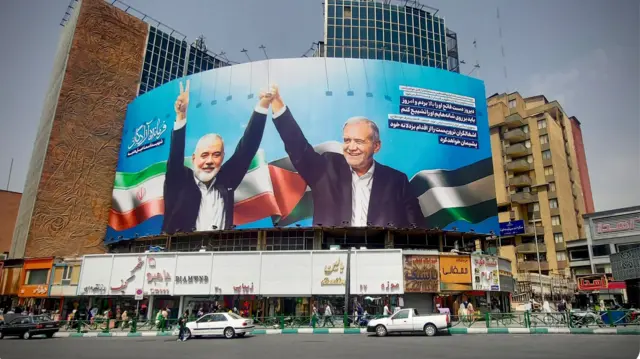
    تصویری جدید بر دیوار نگاره معروف میدان ولیعصر تهران نصب شده که در آن مسعود پزشکیان، رئیس جمهور جدید ایران دست اسماعیل هنیه، رئیس دفتر سیاسی حماس که بامداد دیروز در تهران ترور شد را در دست دارد.

    این تصویر که برگرفته از دیدار آقای پزشکیان و هنیه در مجلس ایران در حاشیه مراسم تحلیف وی، جملاتی از حساب ایکس رئیس جمهور ایران را در گوشه‌ای دارد که نوشته است: «دیروز دست فاتح او را بالا بردم و امروز باید روی شانه‌هایم او را تشییع کنم.»

    دیوارنگاره میدان ولیعصر یک ابزار نمادین مهم حکومت ایران برای تبلیغات سیاسی‌اش است.

  8. ارتش اسرائیل: محمد ضیف ماه گذشته در جریان حمله هوایی به خان یونس کشته شده است

    ارتش اسرائیل می‌گوید بعد از ارزیابی‌های اطلاعاتی توانسته تایید کند که محمد ضیف، فرمانده شاخه نظامی حماس «در جریان حمله روز ۱۳ ژوئیه (۲۳ تیر) جنگنده‌های ارتش اسرائیل به خان یونس در نوار غزه کشته شده است.»

    حماس پیش از این کشته شدن ضیف را رد کرده بود و تاکنون واکنشی به این خبر جدید نشان نداده است.

  9. آخرین دبیرکل حزب جبهه مشارکت: پاسخ کوبنده به اسرائیل قطع ید عوامل نفوذی است

    محسن میردامادی، آخرین دبیرکل حزب منحل شده جبهه مشارکت در حسابش در شبکه اجتماعی ایکس با محکوم کردن ترور اسماعیل هنیه نوشته است که این ترور «دردناک بود و پاسخ می‌طلبد».

    آقای میردامادی که پیشتررئیس کمیسیون امنیت ملی مجلس ایران هم بوده در ادامه نوشته است: «موثرترین پاسخ کوبنده به اسرائیل، شناسایی و قطع‌ید عوامل نفوذی است که تا مغز استخوان نظام نفوذ کرده‌اند.»

    به گفته وی «سراغ منتقدین و معترضین نروید؛ نفوذی‌ها از کسانی هستند که فریاد مرگ بر اسرائیل آنها تا تل‌آویو می‌رسد.»

    مسعود پزشکیان، رئیس جمهور جدید ایران با حمایت اصلاح‌‎طلبان در انتخابات به پیروزی رسید.

    آقای پزشکیان از زمان انتخاب به عنوان رئیس جمهور به طور پررنگی بر حمایت از گروه‌های شبه‌نظامی متحد ایران، موسوم به «محور مقاومت»، تاکید کرده است.

  10. توضیح خبرگزاری فارس در مورد دلیل نگاه‌های خامنه‌ای در ابتدای نماز

    توضیح ویدئو،مراسم تشییع اسماعیل هنیه تحت تدابیر شدید امنیتی در تهران برگزار شد

    تصاویری که از نماز خواندن آیت‌الله خامنه‌ای، رهبر جمهوری اسلامی بر تابوت هنیه و نگاه‌های او رو به بالا در ابتدای مراسم، در میان لایه حفاظتی سنگین، منتشر شده توجه کاربران در شبکه‌های اجتماعی را جلب کرده است.

    خبرگزاری فارس در توضیح این صحنه به مسقف بودن این قسمت از صحن دانشگاه تهران اشاره کرده و نوشته «تریبون و جایگاه نماز جمعه که در صحن مسقف دانشگاه تهران قرار دارد مدتی است در دست مرمت و بازسازی است که توجه رهبر انقلاب را پیش از شروع نماز به خود جلب کرد.»

  11. خبر فوری,ارتش اسرائیل: محمد ضیف کشته شده است

    ارتش اسرائیل می‌گوید که محمد ضیف فرمانده شاخه نظامی حماس کشته شده است.

    محمد دیاب ابراهیم المصری، معروف به محمد ضیف فرمانده گردان‌های عزالدین قسام، شاخه نظامی حماس بوده است.

    ارتش اسرائیل توضیح بیشتری درباره ادعایش ارائه نکرده و بی‌بی‌سی هنوز به طور مستقل نمی‌تواند این خبر را تایید کند.

    دو هفته پیش که اخبار مشابهی منتشر شد حماس کشته شدن محمد ضیف را تکذیب کرد.

  12. بلینکن: همه طرف‌ها در خاورمیانه «اقدامات تشدیدکننده»‌ را متوقف کنند

    هنیه

    منبع تصویر،REUTERS

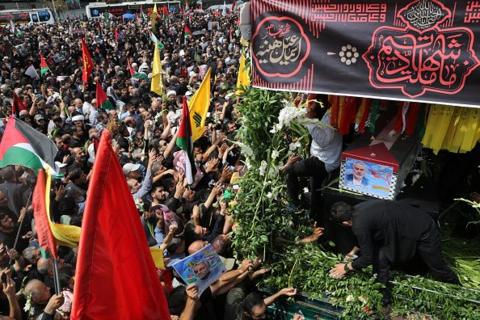
    ده‌ها هزار نفر در تهران در مراسم تشییع اسماعیل هنیه، رئیس سیاسی حماس شرکت کردند که بامداد دیروز در پایتخت ایران ترور شد. آیت‌الله خامنه‌ای، رهبر جمهوری اسلامی در دانشگاه تهران بر جسد اسماعیل هنیه نماز خواند و از جمله مسعود پزشکیان، رئیس جمهور جدید ایران هم در کنار او حضور داشت.

    پس از آن تابوت اسماعیل هنیه و محافظش در حال انتقال به میدان آزادی است تا برای خاکسپاری به قطر فرستاده شود. ایران که اسرائیل را در این حمله مقصر می‌داند، تهدید کرده که «مجازات سختی» برای قتل او در نظر خواهد گرفت. رهبران اسرائیل به طور مستقیم در مورد این واقعه اظهار نظر نکرده‌اند، اما بنیامین نتانیاهو، نخست وزیر اسرائیل گفت که «روزهای چالش برانگیز» در پیش است.

    در همین حال آنتونی بلینکن، وزیر امور خارجه آمریکا، بار دیگر از همه طرف‌ها در خاورمیانه خواست که «اقدامات تشدیدکننده» را متوقف کنند. آقای بلینکن گفت که شکستن چرخه درگیری و خشونت بسیار مهم است. ساعاتی پیش، نشست اضطراری شورای امنیت سازمان ملل متحد، خواهان تلاش‌های دیپلماتیک فشرده برای جلوگیری از درگیری گسترده‌تر در منطقه شد.

  13. گزارش‌ها از قطع اینترنت در برخی مناطق نزدیک به محل تشییع اسماعیل هنیه

    کاربران ایرانی و برخی نهادهای ناظر بر آزادی دسترسی به اینترنت گزارش کرده‌اند که در برخی مناطق نزدیک به محل برگزاری تشییع اسماعیل هنیه اینترنت «قطع یا دچار اختلال شدید» بوده است.

    فیلتربان که «تحقیق و گزارش برای حقوق دیجیتال و حق دسترسی به اینترنت» را پیگیری و رصد می‌کند در این خصوص نوشته: «بر اساس گزارش کاربران، هم زمان با برگزاری نماز برای اسماعيل هنيه توسط علی خامنه‌ای، اینترنت در مناطق نزدیک به برگزاری این مراسم ازجمله مناطق انقلاب تا ولیعصر درتهران، قطع و یا دچار اختلال شدید شد.»

    فیلتربان در حسابش در شبکه اجتماعی ایکس نوشته: «برخی کاربران از قطع آنتن‌های تلفن‌های همراه از حوالی ساعت ۱۰ صبح نیز خبر دادند.»

  14. نامزد سابق ریاست جمهوری ایران: باید یکی از سران اسرائیل حذف شود

    امیرحسین قاضی‌زاده هاشمی، رییس بنیاد شهید و نامزد انصراف داده انتخابات اخیر ریاست جمهوری ایران در حاشیه تشییع اسماعیل هنیه به خبرگزاری مهر گفته است: «وقتی رهبر حماس به شهادت رسیده باید یکی از سران اصلی اسراییل حذف شود.»

    آقای قاضی‌زاده هاشمی گفته «پاسخ ایران پاسخی بازدارنده است که در همان سطح انجام می‌شود.»

  15. «ممنوعیت پروازها» بخاطر تشییع هنیه تکذیب شد

    رضا کارگر، مدیر روابط‌عمومی شرکت فرودگاه‌ها و ناوبری هوایی ایران گفت: «خبر ممنوعیت پروازی در تهران به دلیل مراسم تشییع شهید اسماعیل هنیه را تکذیب می‌کنیم».

    به گفته وی «هیچ‌گونه محدودیتی برای برقراری پروازهای ورودی و خروجی فرودگاه‌ مهرآباد نداریم.»

    با این حال آقای کارگر تایید کرد که محدودیت پروازی در شهر تهران ایجاد شده اما آن را محدود به «پروازهای آموزشی، هلیکوپتر و باشگاه‌های هوانوردی»‌ اعلام کرد.

  16. عضو ارشد حماس در تهران: همه جهان باید بکوشد اسرائیل از زمین محو شود

    خلیل الحیه، مسؤل روابط عربی اسلامی و نایب رئیس جنبش حماس در غزه روز پنجشنبه، طی سخنرانی در مراسم تشییع اسماعیل هنیه در دانشگاه تهران گفت: «همه جهان باید بکوشند تا این غده سرطانی یعنی رژیم صهیونیستی را از کره خاکی محو کنند».

    آقای الحیه همچنین اسرائیل را «مظهر شر و ناامنی در منطقه» خواند و گفت: «امروز ما تاکید می‌کنیم خون اسماعیل هنیه در راه وحدت امت اسلامی و در راه آزاد سازی فلسطین اثر دارد.»

    به گفته وی جسد اسماعیل هنیه و محافظش امروز پس از تشییع در تهران به قطر برده خواهد شد.

  17. رایزنی باقری و هاکان فیدان درباره ترور هنیه

    بنا به اعلام وزارت خارجه ایران، علی باقری کنی، سرپرست وزارت خارجه ایران، در تماسی تلفنی با هاکان فیدان، وزیر خارجه ترکیه، درباره ترور اسماعیل هنیه در تهران رایزنی کرده است.

    بر این مبنا، آقای فیدان ابتکار عمل ایران برای درخواست نشست اضطراری شورای امنیت را ستایش کرده است.

    آقای باقری همچنین از وزیر خارجه ترکیه برای حضور در مراسم تحلیف مسعود پزشکیان تشکر کرده است.

  18. قالیباف: دوران بزن در رو تمام شده است

    محمدباقر قالیباف، رئیس مجلس ایران در مراسم تشییع اسماعیل هنیه گفت: «این خطای استراتژیک رژیم صهیونیستی است که فکر می‌کند شهادت این شهدا تاثیری در روند حرکت ما دارد» و «خطای دومشان این است که به حرف‌های رهبر ما توجه نکرده است که دوران بزن در رو تمام شده است.»

    آقای قالیباف گفت: «ما به فرموده رهبرمان خون خواه شهید هنیه هستیم».

    رئیس مجلس ایران افزود: «این وظیفه ما است که در جای مناسب و وقت مناسب عکس العمل داشته باشیم.»

    به گفته وی اسرائیل «بداند که بهای گزافی برای این مسئله می‌پردازد.»

  19. آغاز تشییع اسماعیل هنیه در تهران

    توضیح ویدئو،نماز بر اسماعیل هنیه

    تشییع اسماعیل هنیه، رئیس دفتر سیاسی حماس که بامداد دیروز در شهر تهران ترور شد، با حضور آیت‌الله علی خامنه‌ای برگزار شد.

    آیت‌الله خامنه‌ای، رهبر جمهوری اسلامی در دانشگاه تهران بر اسماعیل هنیه نماز خواند. مسعود پزشکیان، رئیس جمهور جدید ایران هم در کنار او حضور داشت.
 1 Aug, 2024 12:28

West and Russia engage in apparent major prisoner swap

Media reports suggest that WSJ reporter Evan Gershkovich and ex-Marine Paul Whelan are already en route to destinations outside Russia
West and Russia engage in apparent major prisoner swap

Russia has agreed to release Wall Street Journal reporter Evan Gershkovich and former US Marine Paul Whelan as part of a landmark prisoner exchange deal with the West, Bloomberg reported on Thursday.

The report comes as numerous media pointed to signs of a looming prisoner swap deal between the West and Russia, which could become the largest since the end of the Cold War. Several media outlets noted that at least half a dozen Russian and Western government-affiliated planes were simultaneously in the air, traveling to Türkiye and other undisclosed locations.

  • 01 August 2024

    12:29 GMT

    Bloomberg sources claimed that Gershkovich and Whelan, who received lengthy prison sentences in Russia on espionage charges, are en route to destinations outside of the country. They added that, under the deal, the US and its allies would return an undisclosed number of prisoners to Russia that they currently hold.


به گفتۀ پنتاگون تهران و متحدانش در سه روز آینده به اسرائیل حمله خواهند کرد

به گفتۀ مقامات پنتاگون جمهوری اسلامی ایران و متحدانش ظرف سه روز آینده حملۀ گسترده ای را علیه نیروهای اسرائیلی انجام خواهند داد. نیویورک تایمز به نقل از منابع آگاه خبر داد که علی خامنه‌ای خواستار یک عملیات مستقیم از داخل خاک ایران علیه اسرائیل شده است.

مراسم تشیع جنازه اسماعیل هنیه در تهران
مراسم تشیع جنازه اسماعیل هنیه در تهران © تسنیم

رهبر جمهوری اسلامی که در مراسم تشیع جنازۀ اسماعیل هنیه در تهران بر جسد او نماز خواند دیروز چهارشنبه دهم مرداد ماه با انتشار اطلاعیه‌ای خوانخواهی اسماعیل هنیه را وظیفۀ جمهوری اسلامی دانست و به اسرائیل وعدۀ "مجازات سخت" داد. مراسم تشیع جنازه اسماعیل هنیه امروز در تهران با حضور رهبر حکومت ایران، علی خامنه‌ای، رئیس جمهوری و دیگر مقامات ارشد جمهوری اسلامی ایران برگزار شد. بیش از بیست و چهار ساعت پس از کشته شدن اسماعیل هنیه در اقامتگاه وی در تهران سپاه پاسداران که رسماً وظیفۀ بررسی قتل رهبر سیاسی حماس را برعهده گرفته همچنان در اینباره سکوت کرده است.

در اینباره لوموند روزنامۀ صبح پاریس در شمارۀ امروز خود، پنجشنبه اول اوت، به نقل از آرمان محمودیان، پژوهشگر مسائل ایران در آمریکا، نوشت که برای جمهوری اسلامی قتل اسماعیل هنیه بدتر از حملۀ به کنسولگری ایران در دمشق در آوریل گذشته است. زیرا، اسماعیل هنیه در ایران و تنها ساعاتی پس از مراسم تحلیف رئیس جمهوری جدید، مسعود پزشکیان، کشته شد. به همین خاطر، جمهوری اسلامی می داند که عدم واکنش یا پاسخگویی به عملیات اسرائیل نشانۀ ضعف بزرگ آن تلقی خواهد شد.

همین امر، به نوشتۀ لوموند دربارۀ واکنش حزب‌الله پس از به قتل رسیدن نفر دوم این سازمان، فؤاد شکر، در جنوب بیروت صادق است. به نوشتۀ لوموند پس از کشته شدن پنج تن و زخمی شدن هشتاد تن دیگر در حملۀ اسرائیل به پایگاه حزب‌الله در جنوب بیروت، این گروه باید به نیروهای خود ثابت کند که توانایی دفاع از خود را دارد.

لوموند می‌افزاید، به این ترتیب، اسرائیل خود را برای رویارویی با یک حمله آماده کرده هر چند زمان و دامنۀ این حمله هنوز روشن نیست. آیا این حمله با هماهنگی نیروهای نیابتی جمهوری اسلامی یا به تعبیر تهران "محور مقاومت" صورت خواهد گرفت یا حکومت ایران مستقیماً در آن دخالت خواهد کرد. به نوشتۀ لوموند در هر حال محاسبات تهران و حزب‌الله تغییر نکرده‌اند : آنان می‌خواهند تعادل قدرت بازدارندگی را احیاء کنند و در جنگ غزه همچنان دست بالا را از منظر راهبردی داشته باشند. به نوشتۀ لوموند، مادام که حماس به حیات خود ادامه می‌دهد و پیروز نبرد به نظر می‌رسد محبوبیت حکومت ایران و حزب‌الله و توان دیپلماتیک آنها افزایش می‌یابد. اما، به مرور که حماس رهبران خود را از دست می‌دهد پیروزی آن بیشتر به فاجعه شباهت می یابد.

PUBLICITÉ

پژوهشگر ایرانی به لوموند گفته است که رژیم اسلامی ایران در پی تشدید تنش‌ها با آمریکا نیست و برای پیشگیری از آن کانال‌های دیپلماتیک خود را با واشنگتن و پاریس حفظ کرده است. نمایندگی ایران در سازمان ملل در توصیف پاسخ تهران و متحدانش به اسرائیل از "عملیات ویژه" یا در اصل عملیات موضعی کوتاه مدت برای حفظ آبرو یاد کرده است. با این حال، به گفتۀ مقامات پنتاگون جمهوری اسلامی ایران و متحدانش ظرف سه روز آینده حملۀ گسترده ای را علیه  اسرائیل انجام خواهند داد. نیویورک تایمز به نقل از منابع آگاه خبر داد که علی خامنه‌ای خواستار یک عملیات مستقیم از داخل خاک ایران علیه اسرائیل شده است.

 1 Aug, 2024 09:57

Hamas chief assassinated – what happens next?

The death of Ismail Haniyeh is a challenge to Iran and other members of the anti-Israeli ‘Axis of Resistance’
Hamas chief assassinated – what happens next?

The last few days of July were exceptionally hot in the Middle East, and not because of the weather, but due to the escalating regional conflict that grows more intense by the day.

Following Israeli Prime Minister Benjamin Netanyahu’s visit to the US, where he spoke in Congress and met with high-ranking officials, many experts speculated that Israel had received a “green light” to launch full-scale military action against the Lebanese Shiite group Hezbollah.

On July 27, a rocket landed on a soccer field in the village of Majdal Shams, located in the Israeli-occupied Golan Heights, where Druze Arabs live. Twelve children were killed and 60 other people injured. Netanyahu returned home early, and a series of official Israeli statements claimed that Hezbollah had launched the rocket, which was allegedly of Iranian manufacture, and that the Israel Defense Forces (IDF) would respond powerfully. Hezbollah, however, denied any involvement in the attack. Lebanese authorities suggested that the rocket was actually an Israeli air defense missile. Meanwhile, Iran’s Foreign Ministry described the incident as a “staged drama.” There was indeed a sense that events were unfolding as if orchestrated, yet it was impossible to confirm who was behind the attack.

On the evening of July 30, the IDF launched a strike on the outskirts of Beirut, calling it a “targeted assassination” operation against one of Hezbollah’s military leaders, Fuad Shukr, who was allegedly responsible for the attack on Majdal Shams. Over 75 people were injured and about ten were killed. Such strikes on the Lebanese capital by Israel are not uncommon; earlier this year, another Israeli attack killed Saleh al-Arouri, the deputy head of Hamas’s political bureau. The assassination of Fuad Shukr, a key aide to Hezbollah Secretary-General Hassan Nasrallah, heightened tensions, but it seemed unlikely to lead to a full-scale conflict between Lebanon and Israel.

However, on the night of July 31, shocking news broke about the assassination of Hamas political bureau chief Ismail Haniyeh, who had traveled to Tehran for the inauguration of its newly elected president, Masoud Pezeshkian, and a meeting with Supreme Leader Ayatollah Ali Khamenei. By the following day, Hamas officials confirmed that “Haniyeh was killed in a treacherous Zionist raid on his residence in Tehran.”

This incident indeed marked a crossing of the Rubicon, as Haniyeh was a key negotiator for Hamas in ceasefire talks in Gaza involving the US, Israel, Egypt, Qatar, and Hamas. The location of the attack – the capital of the Islamic Republic of Iran – further complicates the situation, as Tehran, despite its reluctance to become fully embroiled in a regional conflict, now finds itself compelled to respond to maintain its reputation and prevent similar incidents in the future.

Undoubtedly, many countries condemned the assassination of Haniyeh. Iranian officials, including Supreme Leader Khamenei and President Pezeshkian, strongly denounced the killing, labeling Israel a “criminal and terrorist regime” and promising severe consequences. Russia also condemned the act, describing it as an unacceptable political assassination that would adversely affect ceasefire negotiations in Gaza. Palestinian President Mahmoud Abbas and the Lebanese group Hezbollah expressed their condolences, with Abbas calling for Palestinian unity. The leader of the Houthis in Yemen called it a crime that undermines the fragile peace in the region. China expressed concern over the potential destabilization of the region, while Egypt highlighted the lack of political will to de-escalate the situation. Qatar’s prime minister, who had been mediating negotiations between Israel and Hamas, noted that the assassination jeopardizes the success of the talks. Turkey also condemned the attack, claiming that it was aimed at spreading the conflict to a broader regional scale. 

It is no secret that the current Israeli government has taken a strong stance against anti-Israeli forces in the region, represented by the ‘Axis of Resistance’. Firstly, this aims to reduce the threat to Israel’s national security. Secondly, it helps Netanyahu and his ministers to maintain power and strengthen their positions, which have been weakened by internal political crises and public dissatisfaction with current policies. Thirdly, it clearly shows the Israeli far-right forces’ determination to eliminate the Palestinian resistance movement and prevent the creation of a Palestinian state. On July 18, the Knesset (the Israeli parliament) overwhelmingly voted in favor of a resolution rejecting the creation of such a state. The resolution stated, “The Knesset of Israel firmly opposes the establishment of a Palestinian state west of the Jordan River. The creation of such a state in the heart of the land of Israel would pose a threat to the existence of the state of Israel and its citizens, perpetuate the Israeli-Palestinian conflict, and destabilize the region.”

Another significant reason behind the Netanyahu government’s decision to take this internationally contentious action is the agreement reached among Palestinian factions to form a national unity government, achieved in Beijing. In this government, Hamas, and Ismail Haniyeh in particular, could have played a significant role. The assassination of Haniyeh can be seen as a form of retribution by Israel for the Palestinians’ success in overcoming the resistance of West Jerusalem and its Western allies to Hamas’ participation in the new Palestine Liberation Organization (PLO) structures. By eliminating Haniyeh, Israel sent a message to all Palestinian groups about the potential consequences they could face.

While Netanyahu may not have received full carte blanche from the US to launch a campaign in Lebanon, he seems intent on provoking Iran and Hezbollah into retaliatory actions that could justify an Israeli invasion. The assassination of Haniyeh could exacerbate the situation in Lebanon, especially in light of the recent Israeli strike on Beirut and the death of Fuad Shukr. This event is likely to lead to coordinated actions by Hezbollah and Iran in possible retaliation against Israel, increasing the risk of clashes with Israeli forces in Lebanon, as well as with Iran and other groups within the ‘Axis of Resistance.’

In this situation, it will be difficult for Washington to object, and the US will likely have to continue providing military aid to Israel. Moreover, the US cannot officially condemn Israel for the assassination of Haniyeh, as it had previously suggested that the IDF focus on eliminating Hamas leaders rather than conducting carpet bombings and street battles in Gaza. However, this situation also poses a threat to American forces in the region, as responsibility for Haniyeh’s death could also be attributed to the US. ‘Axis of Resistance’ groups in Syria and Iraq may resume attacks on American military installations, leading to a new level of escalation.

Furthermore, Haniyeh’s assassination intensifies tensions in the Middle East and could undermine the prospects for progress in ceasefire negotiations in the Gaza Strip. Prior to Haniyeh’s death, it was believed that Israel and Hamas were close to reaching an agreement to halt the conflict, which has claimed 40,000 lives and caused a humanitarian crisis. Haniyeh was an active participant in negotiations mediated by Egypt, Qatar, and the US, and there had been recent reports of progress despite disagreements. However, Israel has begun to present new conditions unacceptable to the Palestinians. It is now clear that Netanyahu has chosen an escalatory path, hoping to place the blame for withdrawing from negotiations on Hamas, likely causing Palestinian resistance to stop discussing a ceasefire.

The escalation poses a threat of retaliatory actions not only from Hamas and Hezbollah but also from Iran, especially considering the assassination of Haniyeh took place in its territory, which serves as a challenge to the Islamic Republic, to which Tehran cannot fail to respond. This incident has already caused a negative reaction, surpassing the fallout after the killing of Islamic Revolutionary Guard Corps (IRGC) officers in Damascus by Israelis.

The situation is further complicated by Iran’s failure to protect its ally’s leader in its own capital, causing alarm within Iranian society and prompting a review of security measures. Iranian authorities have already convened an emergency meeting of the Supreme National Security Council, stating that the Israeli attack will lead to retaliatory actions from Iran-supported groups in the ‘Axis of Resistance’. The ability of Israel to target top Iranian leaders and their guests represents a serious challenge.

As for Hamas itself, significant changes are unlikely. Haniyeh’s death leaves Musa Abu Marzouk, Khaled Mashaal, Basem Naim, Hussam Badran, and Yahya Sinwara, who, according to the IDF, planned the operation to invade Israel on October 7. Some sources suggest that Khaled Mashal may become the next head of the political bureau. Therefore, decapitating the resistance will not work; instead, forceful measures will only lead to further radicalization of Hamas and other PLO movements, as Israel’s actions have demonstrated that the current leaders of the Jewish state do not wish to see a Palestinian state.

In conclusion, the situation in the Middle East, particularly regarding the conflict between Israel and the ‘Axis of Resistance’, including Hezbollah and Hamas, has reached a new level of tension. The assassination of Ismail Haniyeh in Tehran was not only a serious blow to Hamas but also a challenge to Iran, significantly increasing the risk of further escalation. The lack of progress in ceasefire negotiations and growing regional tensions suggest a potential intensification of military actions. While the international community condemns these actions, internal political and strategic motives seem to outweigh the desire for peace. In this worsening situation, it is crucial for all parties to make efforts to avoid a full-scale conflict, the consequences of which could be catastrophic for the entire region.

 1 Aug, 2024 06:43

Iran will strike Israel – NYT

The countries exchanged direct fire earlier this year, sparking fears of an all-out war
Iran will strike Israel – NYT

Iranian Supreme Leader Ayatollah Ali Khamenei has ordered a direct strike on Israel in retaliation for the killing of Hamas political chief Ismail Haniyeh in Tehran earlier this week, The New York Times (NYT) reported on Wednesday.

Khamenei reportedly gave the instruction after convening Iran’s Supreme National Security Council for an emergency meeting on Wednesday morning following the missile strike, the newspaper said, quoting three Iranian officials speaking on the condition of anonymity.

Haniyeh had been in the Iranian capital for the inauguration of the new President, Masoud Pezeshkian, when a missile struck his accommodation on Wednesday, killing him and one of his bodyguards.

“We consider it our duty to take vengeance,” Iran’s supreme leader said in a statement on Wednesday. Khamenei condemned Israel for attacking Haniyeh while he was a “dear guest in our house.”

The Jewish State has neither confirmed nor denied being behind the assassination.

Israel had vowed to take out Haniyeh and other figures in the Hamas leadership after the militant group’s October 7 attack, which killed some 1,200 Israelis and saw more than 250 taken hostage. Since then, the Israeli military campaign has killed more than 39,000 Palestinians in the besieged enclave, according to local health authorities, causing severe friction with Iran.

In April, Israel struck an Iranian embassy compound in Syria and Iran launched hundreds of missiles and drones in a direct retaliatory strike on Israel, prompting the US and other powers to mobilize air and naval forces to assist Israeli air defenses.

“It is unclear how forcefully Iran will respond” to Wednesday’s strike on Tehran which killed Haniyeh, NYT wrote.

“Iranian military commanders are considering another combination attack of drones and missiles on military targets in the vicinity of Tel Aviv and Haifa, but would make a point of avoiding strikes on civilian targets,” it quoted the Iranian officials as saying.

Another option is “a coordinated attack from Iran and other fronts where it has allied forces, including Yemen, Syria and Iraq, for maximum effect,” according to the newspaper’s sources.

 1 Aug, 2024 07:41

War is only way to peace in Middle East – Medvedev

“The knot is tightening” in the region, with the US being the main culprit behind the crisis, the former Russian president has said
War is only way to peace in Middle East – Medvedev

Peace in the Middle East will only be achieved through a major conflict involving regional power brokers, former Russian President Dmitry Medvedev has suggested.

Writing on his Telegram channel on Thursday, Medvedev, who now serves as Deputy Chairman of Russia’s Security Council, weighed in on the escalating tensions between Israel and Iran, as well as their partners and allies in the region and beyond.

“The knot is tightening in the Middle East. Sorry for the innocent lives lost. They are but hostages of a disgusting state: the USA,” Medvedev stated, adding “it’s clear to everyone that a full-scale war is the only way to a shaky peace in the region.”

His comments come in the wake of the assassination of Hamas political leader Ismail Haniyeh in a rocket strike in the Iranian capital, Tehran, on Wednesday. Hamas accused Israel of orchestrating the attack and warned it would “pay the price” for the “heinous crime.” 

Israel has neither denied nor confirmed involvement, but Prime Minister Benjamin Netanyahu boasted Wednesday that his country had delivered crushing blows to Hamas, the Houthis and Hezbollah – militant Islamist groups with close ties to Iran operating in Gaza, Yemen and Lebanon, respectively.

Meanwhile, Iran also blamed Israel, adding that the US – Israel’s main ally – shared responsibility for what it called a “heinous act of terrorism.” US Secretary of State Antony Blinken, however, insisted that Washington was “not aware of or involved in” the assassination of Haniyeh.

The killing of a senior Hamas official came after Israel confirmed that it had carried out a strike on Beirut, Lebanon that killed Hezbollah commander Fuad Shukr. West Jerusalem has insisted he was behind the strike on a soccer field in the Israeli-occupied Golan Heights that killed 12 minors.

Israel and Hezbollah have been on the verge of open conflict and have exchanged cross-border attacks since Hamas launched its October 7 surprise attack on the Jewish state. The Israeli-Hamas war, which has brought unprecedented destruction to Gaza, has raised tensions throughout the region.