۱۴۰۳ مرداد ۱۰, چهارشنبه

 Tranque, one of the Arsacide: صحت اطلاعات جغرافیایی اقیانوس آرام اسماعیل بخاطر خلط نقاط بس بعید به لحاظ واقعیتی و تفسیری، محل تردید است. Tranque یا ""Isla Tranqui/ایسلا ترانکی/جزیره آرام، در نزدیکی Isla Chiloe/ایسلا چیلوی، در سواحل جنوبی شیلی، قرار دارد.  این احتمال هست که ملویل هنگام صید نهنگ، یا در حین دور زدن دماغه هورن در سال‌های 1842 و 1844 آنرا دیده باشد. با این حال، "Arsacides"/ آرسی سایدز، آنطور که اسماعیل می رساند، دال بر مجمع الجزایر نبوده به دماغه آرسی سایدِز/Cape  Arsacides  در ساحل شرقی مالایتا/ Malaita، جزیره ای در مجمع الجزایر سلیمان در نزدیکی فیلیپین، در هفت هزار مایلی غرب ترانکی، اشاره دارد؛ درآب هایی که ملویل هیچگاه در آن دریانوردی نکرد.

آنچه مسائل را پیچیده می کند این است که در سال 1769، ژان فرانسوا دو سورویل، دریانورد فرانسوی، این دماغه را "Terre des Arsacides" به نام دودمان آرشاکونی/Արշակունի/Arsacid نامید که از سال 12 تا 421 م. بر ارمنستان حکومت و در برابر تهاجمات امپراتوری روم به شدت مقاومت می کرد. احتمالا نامجائی که سورویل برای این دماغه برگزیده نشان دهنده مقاومت ساکنان جزایر سلیمان در برابر اوست.  ظاهراً، این تصور غلط که «Terre des Arsacides» یعنی «سرزمین قاتلان/ land of the assassins»، برگردان نادرست اولیه ای است که در ادبیات سفر عامه پسند، مانند یکی از منابع ملویل، گزارش تاریخی 1836 سفر دور دنیا، در نگارش دو کتابش، Typee و Omoo، تداوم یافته است؛ (Sealts، ملویل ریدینگ/ Melville’s Reading صص.30-31).

اگرچه ملویل آنقدر  فرانسه می ‌دانست که به این ترجمه نادرست اعتنا نکند، درآمیختن این دو جزیره بسیار دور از هم و تداعی‌های متفاوت این دو نام با تضادهایی که چهار پاراگراف پائین تر می آفریند، تقویت می شود. در این سناریو،اسکلت نهنگ عنبر انتقال یافته به دره پوشیده از جنگل، به بخشی از معبدی تبدیل شده، در حالی که طبیعت، که به صورت ماشین بافندگی مجسم شده، فرشی از انواع پیچ و گل بافد که هم دره و هم اسکلت را می پوشاند. در تداعی معانی ‌های بی قید و بند اسماعیل، خاموش «خدای بافنده» از صدای این فرایند (بافتن) «کر» شده پاسخی به پرسش‌های آدمیان ندهد.  خود ما نیز از "غوغای عظیم دستگاه بافندگی عالم" کر شده ایم. اسماعیل تابلوی تضاد «آلاچیق» (جایگاه پرشاخ و برگ سعادت) با «طنین» دستگاه بافندگی را به «همه کارخانه های مادی»، یعنی تمام تلاش های بشر برای آفریدن، تشبیه می کند. این استعاره گسترده با تداعی‌های متضاد آرامش مفروض Tranque/آرام، با Arsacides"/ آرسی سایدز متلاطم تاریخی، تشدید می‌شود. اسماعیل سخن را با اِستعاره ای  پند آمیز به پایان می بَرَد: «زندگی پذیرای مرگ و مرگ جُفته زندگی شد" با این تجسم که، «عبوس خدای در وصلت با شاداب زندگی بشکوه کَلّه فرفری ها پس انداخت". با یادآوری تصویر پردازی پیشین اسماعیل از نهنگ‌های در حال تولید مثل در مرکز ناوگروه سُتُرگ فصل 87، این ژرف اندیشی، خُجَسته آرامش "در دل اطلس وجود طوفان زده خود" را هم، تکرار می کند.


Tranque, one of the Arsacides: Ishmael’s Pacific geography is factually and interpretively challenging in its combining widely-dispersed places. “Tranque” is Isla Tranqui near Isla Chiloe, off the southern coast of Chile, which Melville could have visited while whaling or seen as he rounded Cape Horn in 1842 and 1844. “Arsacides,” however, does not refer to a set of islands, as Ishmael implies, but to Cape Arsacides on the eastern shore of Malaita, an island in the Solomon archipelago near the Philippines, seven thousand miles west of Tranqui and in waters Melville never sailed.

Complicating matters is that, in 1769, French navigator Jean François de Surville named the cape “Terre des Arsacides” after the Arsacid dynasty, which ruled Armenia (12-421 CE) and fiercely resisted incursions by the Roman Empire. Perhaps Surville’s place name reflects the resistance he had met among the Solomon islanders. Apparently, the misconception that “Terre des Arsacides” means “land of the assassins” is an early mistranslation perpetuated in popular travel literature, such as one of Melville's sources for Typee and Omoo, the 1836 Historical Account of the Circumnavigation of the Globe (Sealts, Melville’s Reading, 30-31).

Though Melville knew enough French to disregard the mistranslation, his combining of the two geographically-dispersed islands and the divergent associations of their names resonates with contrasts he develops four paragraphs below. In this scenario, a sperm whale skeleton transported to a woody glen has become part of a temple, while nature, figured as a loom, weaves a carpet of vines and flowers covering both glen and skeleton. In Ishmael’s free associations, the silent “weaver-god” is “deafened” by the process and is unresponsive to human questioning; we, too, are deafened by the “din of the great world’s loom.” Ishmael likens the contrasting tableau of “bower” (a leafy enclosure of bliss) and “humming” loom to “all material factories,” that is, all human attempts to create. The extended metaphor resonates with contrasting associations of the supposedly tranquil Tranque and the historically troubled Arsacides. Ishmael concludes with an aphoristic trope, “Life folded Death; Death trellised Life,” personified by the “grim god wived with youthful life [begetting] curly-headed glories.” In recalling Ishmael’s earlier image of the procreating whales at the center of the Grand Armada in Ch. 87, the meditation also replays the joyful calm at the center of the “tornadoed Atlantic of my being.”

https://melville.electroniclibrary.org/editions/versions-of-moby-dick/102-a-bower-in-the-arsacides




 31 Jul, 2024 21:02

Shooting down Russian missiles is ‘act of war’ – Ritter

Vladimir Zelensky’s demand is desperate and unrealistic, the former US Marine has said
Shooting down Russian missiles is ‘act of war’ – Ritter

Vladimir Zelensky’s idea to have Poland shoot down Russian missiles would get NATO directly involved in the conflict with Moscow, former US Marine and UN weapons inspector Scott Ritter has said.

Ukraine’s leader has been asking his Western partners for a “defense shield” for months. He claimed to have finally received a commitment from Warsaw in early July, as part of a security pact. Poland has said it would not target Russian missiles without NATO approval, which the US-led bloc has yet to give.

“Zelensky is operating on the assumption that NATO can have Patriot missiles in Poland that can shoot down Russian missiles that are headed towards militarily sensitive targets in the vicinity of Lviv,” Ritter told YouTube host Danny Haiphong in an interview posted on Tuesday.

“He doesn’t understand: that’s an act of war,” Ritter added. “That’s Russian military equipment, on a Russian military mission, in support of a Russian national security objective.”

Shooting down those missiles, even locking on to them with radar, would make NATO “literally a party to the conflict,” Ritter explained. 

The US-led bloc has been trying to maintain a pretense that it’s not directly involved in the Russia-Ukraine conflict, despite donating billions of dollars worth of weapons, equipment and ammunition to Kiev’s armed forces and in some cases literally paying the salary of Ukrainian government employees.

Kiev is trying to have NATO set up a de facto “no fly zone” over western Ukraine, Ritter argued, which he described as “something Russia simply won’t tolerate.”

“Zelensky is just desperate right now, so he’s trying to invent rules of engagement,” Ritter concluded.

Ukrainian forces have been suffering steady setbacks along the front for weeks, with no prospect of replenishing their losses in either men or materiel. 

The first handful of F-16 fighters reportedly arrived on Wednesday and will most likely be armed with modern US missiles. Zelensky has already complained that he would need more than 100 jets to actually make a difference, however. 

Ritter is a former US Marine Corps major who served as a UN weapons inspector. He famously disagreed with the foreign policy establishment in Washington in the early 2000s, insisting that Saddam Hussein’s Iraq did not have weapons of mass destruction – a pretext the US later used to invade the country. He has been a RT contributor and saw his passport seized by the US government when he tried to attend the St. Petersburg International Security Forum in June.


7amkickoff


"FUCKING UNBELIEVABLE ATMOSPHERE"SEARCH


There was a whale went forth
May 10, 2020 by imothyt


I blasted through 7 chapters since we last spoke about Ahab and his monomaniacal quest for the White Whale. This group could be called the “legs” of the book, or perhaps the “bones” of the book since chapters 100-107 concern the whale’s skeleton, Ahab’s leg, and the Captain of the Enderby’s arm (both made of ivory).

There’s little in these chapters in terms of deep thought and argument toward his central point but Melville spends some time wrapping himself in the romanticism of the time and lovingly describes a whale carcass dragged up from the sea to be used as a sort of natural church for some locals.

This is where I most enjoy Melville’s writing. His visual descriptions are often too heavily reliant on classic writings or art and the modern reader loses the visual impact I think the writer is going for. And the book ends up being either a wikipedia quest to even know what he’s alluding to or just a basic glossing over of what he’s writing about.

For example, if I say that “my two dogs flushed a flock of pigeons like Nelson bearing down on Villeneuve’s navy”, you will guess from the sentence that they just dispersed but the specificity of how Nelson ran columns of ships into the French fleet and cut them apart would be lost. At times I feel like I’m reading a 1850’s Dennis Miller cracking jokes about cultural references that are no longer relevant. This is how Moby Dick falls apart for modern readers: it becomes a morass of name-dropping and cultural references that we don’t get.

But Melville is a great writer and can often give us images that aren’t dependent on knowing some obscure book of the bible. When he describes things in nature, when he steps back from his reference texts, he’s enjoyable. And yet he still can’t help himself – even in these moments when he lets the reference library slip from his fingers he slips in an obscura:

Now, amid the green, life-restless loom of that Arsacidean wood, the great, white, worshipped skeleton lay lounging- a gigantic idler! Yet, as the ever-woven verdant warp and woof intermixed and hummed around him, the mighty idler seemed the sunning weaver; himself all woven over with the vines; every month assuming greener, fresher verdure; but himself a skeleton. Life folded Death; Death trellised Life; the grim god wived with youthful Life, and begat him curly-headed glories.

The word “Arsacidean” is Melville at his worst. He’s referring to an ancient Roman-allied kingdom in Armenia (it’s bigger than that but, I digress). Why is this kingdom chosen? It would later become what we now know as the Parthian Empire, which spread as far as India. But why choose this specific less-used name for the kingdom? What images is it intended to conjure up? The entire chapter is set in a wood in this area and yet, all I can see are generic woods or maybe a Brazilian wooded area – neither of these exist in the geographical area of the Arsacid kingdom. And is there some deeper meaning to the choice of this kingdom? There are some hints; wikipedia claims (without reference) that Arsacid rulers called themselves the “kings of kings”, and that the Parthians attacked and defeated Herod in Judea. But altogether this is yet another of either one of Melville’s little jokes, the significance is lost, or Herman is simply name-dropping here.

The imagery is incredible, the argument in the text clear, and yet he almost can’t help himself but to set this scene in some obscure, ancient, forgotten subset of the Roman empire. Perhaps this is the literary equivalent of dick waving.

I would have loved to read Moby Dick lovingly written by a romantic writer who described in great detail the ship, the men, the whales, the ocean, whaling, and everything else, wrapped in a small story about some guy on a singular quest. He could have even been making some greater point the whole time about how everything is vanity.

I recently also read Whitman’s poem “There was a child went forth” and it starts like this:

There was a child went forth every day,
And the first object he look’d upon, that object he became,
And that object became part of him for the day or a certain part
of the day,
Or for many years or stretching cycles of years.

The early lilacs became part of this child,
And grass and white and red morning-glories, and white and red
clover, and the song of the phoebe-bird,
And the Third-month lambs and the sow’s pink-faint litter, and
the mare’s foal and the cow’s calf,
And the noisy brood of the barnyard or by the mire of the pond-
side,

And the fish suspending themselves so curiously below there, and
the beautiful curious liquid,
And the water-plants with their graceful flat heads, all became part
of him.

This is Whitman at his most elegant, describing mundane things with radiant beauty, a poet with a point to make about the way we collect memories, experiences, and they stay with us “they gave him afterward every day, they became part of him”.

And yet this poem begs us to stay child-like in our approach to life: for as he goes through the life of the child, and it collects older experiences (lust, inebriation, uncertainty, and nears death “the horizon’s edge”) yet Whitman ends the poem saying

These became part of that child who went forth every day, and
who now goes, and will always go forth every day.

Moby Dick has incredible passages which rise to the level of Whitman’s craft and yet it feels like Melville yearned to be one of the “cool kids” in early American writing. He tries too hard and while one one hand produced a book that is over-researched and too heavy with literary references, it is simultaneously one of the the worst-researched books ever. And yet he can shine in moments,

Seat thyself sultanically among the moons of Saturn, and take high abstracted man alone; and he seems a wonder, a grandeur, and a woe. But from that same point, take mankind in mass, and for the most part, they seem a mob of unnecessary duplicates, both contemporary and hereditary.

He wanted to be that man apart from the morass, he wanted “to produce a mighty book… (with) a mighty theme.” For “No great and enduring volume can ever be written on the flea, though many there be who have tried it.”

Herman has a crack at poor John Donne, who while recognized as one of the greatest poets of his time, never produced a novel as great as Moby Dick.

Perhaps I’m a simple man. I wish that Melville sought the more child-like approach. Just tell us about whaling, man! What were the men like? What was the sea like?

I don’t care about Etruscan princes.

Qq


سه مظنون حملات ۱۱ سپتامبر «اتهامات خود را خواهند پذیرفت»

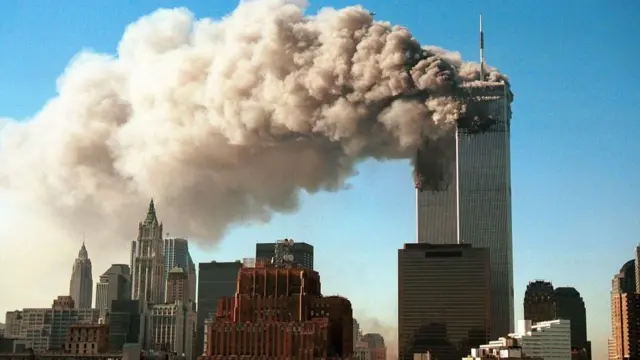
حملات ۱۱ سپتامبر به برج تجارت جهانی در نیویورک

منبع تصویر،GETTY IMAGES

توضیح تصویر،حملات ۱۱ سپتامبر به برج تجارت جهانی در نیویورک

وزارت دفاع آمریکا می‌گوید سه نفر از کسانی که به طراحی حملات تروریستی ۱۱ سپتامبر ۲۰۰۱ متهم هستند با دادستان‌ها به توافق رسیده‌اند.

خالد شیخ محمد، ولید محمد صالح مبارک بن عطاش و مصطفی احمد الحوساوی سال‌هاست بدون محاکمه در پایگاه نیروی دریایی آمریکا در خلیج گوانتانامو در کوبا محبوس بوده‌اند.

به گزارش رسانه‌های آمریکا این سه در ازای موافقت دادستان‌ها با عدم پیگیری مجازات اعدام، قبول کرده‌اند اقرار به گناه کنند.

شرایط معامله میان متهمان و دادستانی فاش نشده است.

در حملات آن سال القاعده تقریبا سه هزار نفر در نیویورک، ویرجینیا و پنسیلوانیا کشته شدند.

آن مرگبارترین حمله به خاک آمریکا از زمان حمله سال ۱۹۴۱ ژاپن به پرل هاربر در هاوایی بود که ۲۴۰۰ نفر در آن کشته شدند.

به گزارش نیویورک تایمز این توافق ابتدا در نامه‌ای که دادستان‌ها برای خانواده‌ قربانیان فرستادند اعلام شد.

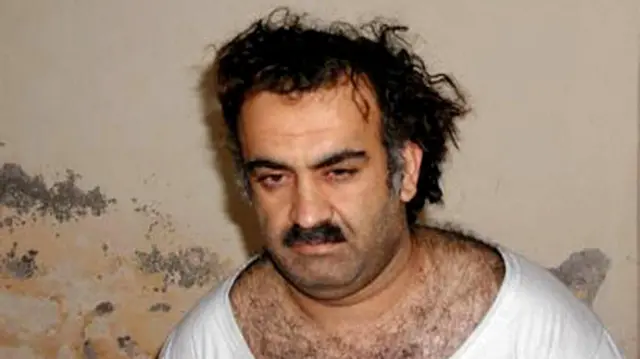
خالد شیخ محمد هنگام دستگیری در سال ۲۰۰۳

منبع تصویر،GETTY IMAGES

توضیح تصویر،خالد شیخ محمد هنگام دستگیری در سال ۲۰۰۳

در این نامه که آرون روگ دادستان ارشد این پرونده آن را امضا کرده آمده است: «در ازای کنار گذاشتن اعدام به عنوان یک مجازات احتمالی، این سه مظنون قبول کرده‌اند در برابر کلیه اتهامات اقرار به گناه کنند، از جمله قتل ۲۹۷۶ نفر که نام آنها در ادعانامه ذکر شده است.»

نیویورک تایمز گزارش داد که انتظار می رود این سه نفر به زودی، شاید هفته آینده، در دادگاه اقرار به جرم کنند.

گزارش می‌شود که دولت بایدن در ماه سپتامبر شرایط توافق با پنج متهم که در گوانتانامو محبوس هستند را رد کرد.

گزارش شد که این متهمان خواستار ضمانتی از رئیس جمهور آمریکا بودند که حبس انفرادی نخواهند شد و به معالجات ضربه روحی دسترسی خواهند داشت.

تصور می‌شود که خالد شیخ محمد طراح اصلی حملات ۱۱ سپتامبر بود که در آن عاملان حمله با ربودن چهار هواپیما آنها را به دو مرکز تجارت جهانی در نیویورک و ساختمان پنتاگون در واشنگتن کوبیدند. هواپیمای چهارم در پنسیلوانیا سقوط کرد چون مسافران با مطلع شدن از سایر حوادث در برابر ربایندگان مقاومت کردند.

خالد شیخ محمد، که در آمریکا مهندسی خوانده بود، به همراه الحوساوی در مارس ۲۰۰۳ در پاکستان دستگیر شد.

او حداقل ۱۸۳ بار در معرض یک رشته بازجویی‌های شدید از جمله احساس خفگی - که منتقدان شکنجه توصیف کردند - قرار گرفت. دولت آمریکا بعدا این روش‌های بازجویی را ممنوع کرد.

 World

Donald Trump questions identity of Kamala Harris during appearance at conference of Black journalists

White House press secretary Karine Jean-Pierre calls Trump's remarks 'repulsive' and 'insulting'

Former U.S. president Donald Trump is seen on stage at the Chicago-hosted convention of the U.S. National Association of Black Journalists on Wednesday, July 31, 2024.
Former U.S. president Donald Trump is seen on stage at the Chicago-hosted convention of the U.S. National Association of Black Journalists on Wednesday. (Vincent Alban/Reuters)

U.S. Republican presidential candidate Donald Trump questioned whether his Democratic rival Kamala Harris is "Black" during a contentious interview at the country's largest annual gathering of Black journalists on Wednesday.

"Is she Indian or is she Black?" Trump said of his opponent in the presidential race, drawing a smattering of jeers from an audience of about 1,000 people. "She was Indian all the way, and all of a sudden she made a turn and became a Black person."

Harris, who is of Indian and Jamaican heritage, has long self-identified as both Black and South Asian. She is the first Black and South Asian American to serve as U.S. vice-president.

"What he just said is repulsive," White House Press Secretary Karine Jean-Pierre said at a briefing in response to Trump's remarks. "It's insulting."

WATCH | White House press secretary on Trump's remarks: 

Trump comments on Harris's racial identity 'insulting,' says White House

2 hours ago
Duration0:54
White House press secretary Karine Jean-Pierre says former president Donald Trump's 'went Black' comments about Vice-President Kamala Harris are not only insulting, but repulsive to her as a woman of colour.

Since launching her White House campaign earlier this month, Harris has faced a barrage of sexist and racist attacks online, with some far-right accounts questioning her racial identity.

Republican Party leaders have urged lawmakers to refrain from personal attacks and focus on her policy positions.

Prior insults from Trump

Trump himself has used personal insults against Harris and said he was going to ignore advice that he tone down his rhetoric in this campaign. "I'm not gonna be nice!" he told supporters at one campaign rally.

Former U.S. president Donald Trump is seen walking on stage at the Chicago-hosted NABJ event on Wednesday.
Trump is seen walking on stage at the NABJ event on Wednesday. (Charles Rex Arbogast/The Associated Press)

Trump also declined to say on Wednesday whether Harris was a "DEI hire," as some Republicans have claimed, saying, "I don't know."

DEI stands for "diversity, equity and inclusion" initiatives aimed at increasing representation of women and people of colour in the workforce to address longstanding inequities and discrimination. The term "DEI hire" is now used to suggest a person is not qualified and was chosen on the basis of race or gender.

The panel interview at the U.S. National Association of Black Journalists' (NABJ) annual convention in Chicago started on a tense note, when ABC News reporter Rachel Scott listed a series of racist comments Trump had made and asked why Black voters should support him.

In response, Trump called the question "horrible," "hostile" and a "disgrace" and described ABC as a "fake" network.

"I have been the best president for the Black population since Abraham Lincoln," he boasted, returning to a claim he has made in the past.

Trump repeated a line from the presidential debate in June, claiming that migrants crossing the U.S. southern border would take away "Black jobs," a term that drew criticism from some Black leaders.

"What exactly is a 'Black job,' sir?" Scott asked him.

"A Black job is anybody with a job," Trump replied.

When asked about his position on granting police officers immunity following the death of Sonya Massey, a Black woman who was shot and killed by a sheriff's deputy in Illinois, Trump acknowledged that he didn't know much about the case — drawing some gasps from the crowd — but added that "it didn't look good to me."

The interview began more than an hour late, which the Trump campaign said was due to problems with the event's audio equipment. An NABJ spokesperson did not immediately comment on what caused the delay.

The session, originally scheduled for an hour, ended abruptly after 30 minutes when the campaign said he was out of time, according to Scott.

'Sir, have you no shame?'

Trump's invitation had received a backlash from some members, prompting a co-chair of the convention to step down in protest. During the interview, some of Trump's false statements were met with murmurs and laughter from the crowd.

Demonstrators opposing Donald Trump's presidential candidacy are seen outside the Chicago-hosted convention of the U.S. National Association of Black Journalists on Wednesday.
Demonstrators opposing Trump's presidential candidacy are seen outside the convention on Wednesday. (Dieu-Nalio Chery/Reuters)

At one point, someone yelled out, "Sir, have you no shame?" before others shushed him.

Leah Mallory, a 21-year-old student at Fordham University, described the conversation as "unreal."

"I honestly feel like it wasn't as conducive as we hoped it would be," she said. "I feel like what we heard were several things that he said before, and there were questions that weren't fully answered."

Nana aba Duncan, an associate professor of journalism at Carleton University, said some NABJ members had concerns over the organization allowing itself to "platform this person," but others felt a duty to attend Trump's appearance and to witness what he did "in the name of journalism."

Duncan, a former CBC Radio host, questioned Trump's motivation for appearing at the event, which she attended on Wednesday.

"I'm not sure he was there to talk to the Black journalists," said Duncan, who is also the founder of the Mary Ann Shadd Cary Centre for Journalism and Belonging.

Trump has been actively courting Black voters and has held events in cities with large Black populations, including Atlanta, where he plans to have a rally on Saturday.

He had made inroads with Black men in particular after U.S. President Joe Biden, his former Democratic opponent, struggled to mobilize Black voters, traditionally the most loyal Democratic voting bloc. Biden won Black voters in 2020, according to Pew Research, with 92 per cent supporting him.

Biden's decision to step down in favour of Harris could make it more challenging for Trump.

The presidential race is likely to come down to narrow margins in a handful of battleground states. A national Reuters/Ipsos poll released on Tuesday showed Trump leading Harris 43 per cent to 42 per cent, a result that was within the poll's margin of error.

The Black journalists' association, founded in 1975, regularly invites presidential candidates to address its annual gathering, but Trump was the first Republican to accept the offer since George W. Bush in 2004.

The association's president, Ken Lemon, said in a statement, "While we acknowledge the concerns expressed by our members, we believe it is important for us to provide our members with the opportunity to hear directly from candidates and hold them accountable."

Trump frequently goes after the media on the campaign trail, calling news outlets the "fake news," and sparred often with members of the White House press corps during his 2017-2021 presidency.

Harris, who did not attend the convention, is scheduled to speak to a Black sorority in Houston later on Wednesday.

With files from CBC News